
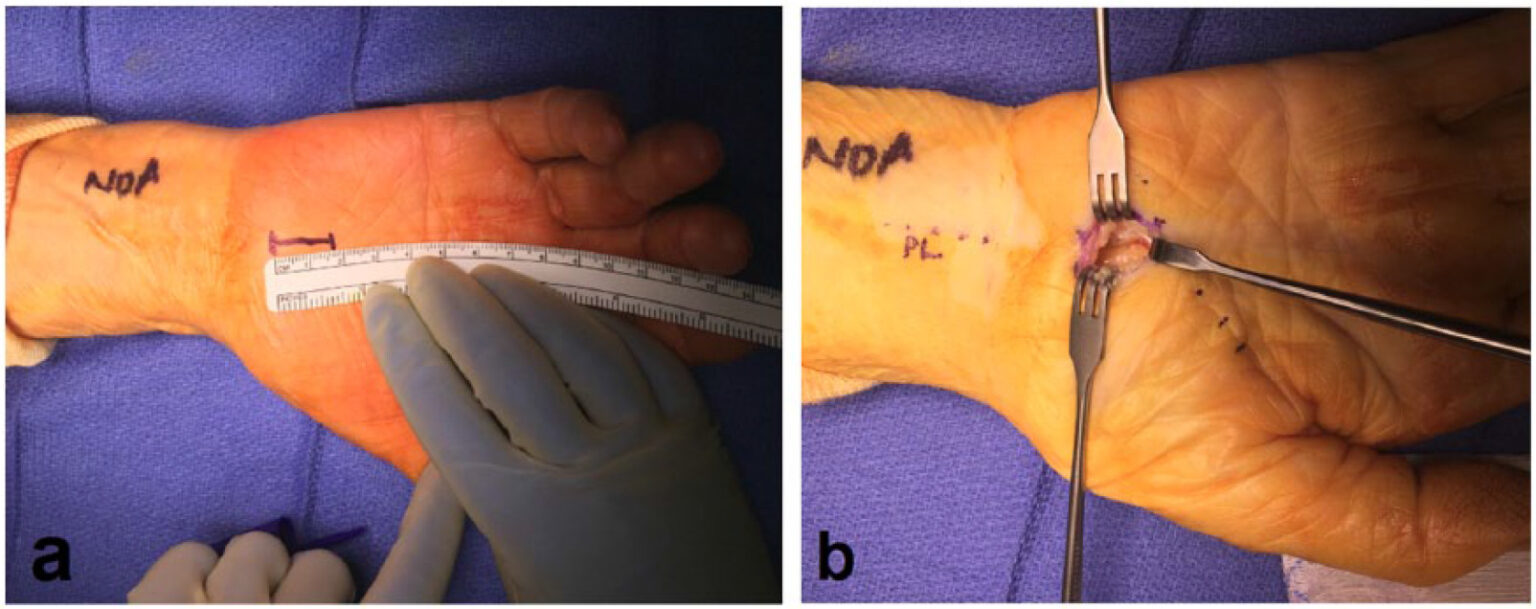
Open Carpal Tunnel Release Surgery

Carpal Tunnel Syndrome (CTS) is a common condition that affects millions of people worldwide. It occurs when the median nerve, which runs from the forearm into the palm of the hand, becomes compressed at the wrist. This compression leads to symptoms such as numbness, tingling, weakness, and pain in the hand and fingers. When conservative treatments fail to relieve symptoms, Open Carpal Tunnel Release Surgery is often recommended as an effective solution.

What is Carpal Tunnel Syndrome?

The carpal tunnel is a narrow passageway located on the palm side of the wrist. It is bounded by bones and ligaments and contains the median nerve along with tendons that control finger movement. When the tissues surrounding the tendons become swollen or thickened, they can compress the median nerve, leading to CTS.

Symptoms of Carpal Tunnel Syndrome

When is Surgery Needed?

Most patients with CTS initially try non-surgical treatments such as wrist splints, anti-inflammatory medications, corticosteroid injections, and activity modifications. However, if symptoms persist or worsen despite these measures, surgery may be necessary to relieve pressure on the median nerve.

Open Carpal Tunnel Release Surgery is typically recommended when:

  • Symptoms are severe or disabling
  • There is muscle weakness or atrophy in the hand
  • Nerve conduction studies show significant nerve compression
  • Conservative treatments have failed after several months

What is Open Carpal Tunnel Release Surgery?

Open Carpal Tunnel Release Surgery is a procedure designed to relieve pressure on the median nerve by cutting the transverse carpal ligament, which forms the roof of the carpal tunnel. By releasing this ligament, the tunnel space is increased, reducing nerve compression and alleviating symptoms.

How is the Surgery Performed?

The surgery is usually performed under local anesthesia with sedation or general anesthesia, depending on the patient’s preference and surgeon’s recommendation. The steps include:

  1. Incision: A small incision, typically 2 to 3 centimeters long, is made on the palm side of the wrist and lower palm.
  2. Exposure: The surgeon carefully exposes the transverse carpal ligament.
  3. Release: The ligament is cut to open up the carpal tunnel and relieve pressure on the median nerve.
  4. Inspection: The surgeon inspects the nerve and surrounding structures to ensure no other abnormalities are present.
  5. Closure: The incision is closed with sutures, and a sterile dressing is applied.

The entire procedure usually takes about 15 to 30 minutes.

Benefits of Open Carpal Tunnel Release Surgery

  • Effective Symptom Relief: Most patients experience significant improvement or complete resolution of symptoms.
  • Direct Visualization: The open approach allows the surgeon to see the structures clearly, reducing the risk of injury to nerves or blood vessels.
  • High Success Rate: Studies show success rates of 90% or higher in relieving symptoms.
  • Long-Term Results: The benefits of surgery are typically long-lasting, with many patients remaining symptom-free for years.

Risks and Complications

As with any surgery, Open Carpal Tunnel Release carries some risks, although serious complications are rare. Potential risks include:

  • Infection at the surgical site
  • Bleeding or hematoma formation
  • Nerve injury leading to persistent numbness or weakness
  • Scar tenderness or formation of a painful scar
  • Stiffness or reduced wrist strength
  • Recurrence of symptoms (rare)

Your surgeon will discuss these risks with you and take steps to minimize them.

Recovery and Rehabilitation

Recovery from Open Carpal Tunnel Release Surgery varies depending on individual factors such as age, overall health, and severity of the condition. Here is a general timeline:

  • Immediately After Surgery: The hand is usually bandaged and elevated to reduce swelling. Pain and discomfort are managed with medications.
  • First Week: Patients are encouraged to move their fingers gently to prevent stiffness. The dressing is typically changed, and sutures may be removed after 10 to 14 days.
  • 2 to 6 Weeks: Gradual return to normal activities is allowed. Physical therapy or hand exercises may be recommended to restore strength and flexibility.
  • 6 Weeks and Beyond: Most patients regain full function and can resume work and recreational activities. Some residual numbness or weakness may persist but usually improves over time.

Tips for a Successful Recovery

Alternatives to Open Carpal Tunnel Release Surgery

In some cases, less invasive options may be considered:

  • Endoscopic Carpal Tunnel Release: A minimally invasive technique using a small camera and instruments inserted through tiny incisions. It offers faster recovery but may not be suitable for all patients.
  • Non-Surgical Treatments: Wrist splints, corticosteroid injections, and activity modifications remain first-line treatments for mild to moderate CTS.

Your healthcare provider will help determine the best approach based on your specific condition.

Who is a Candidate for Open Carpal Tunnel Release Surgery?

Candidates typically include individuals who:

Preparing for Surgery

Before surgery, your doctor will conduct a thorough evaluation, including:

  • Medical history and physical examination
  • Nerve conduction studies or electromyography (EMG)
  • Blood tests and other preoperative assessments as needed

You will receive instructions on fasting, medications, and what to expect on the day of surgery.

Conclusion

Open Carpal Tunnel Release Surgery is a well-established and highly effective treatment for relieving the symptoms of Carpal Tunnel Syndrome. By carefully releasing the transverse carpal ligament, this procedure decompresses the median nerve, allowing patients to regain hand function and improve quality of life. If you suffer from persistent numbness, pain, or weakness in your hand, consult a qualified hand surgeon to discuss whether this surgery is right for you.