The triangular fibrocartilage complex (TFCC) is a critical structure in the wrist that provides stability and cushioning between the forearm bones and the small bones of the wrist. Injuries to the TFCC can cause significant pain, weakness, and loss of function in the wrist, impacting daily activities and quality of life. Arthroscopic TFCC repair is a minimally invasive surgical technique designed to restore the integrity of the TFCC, relieve pain, and improve wrist function.
This article provides an in-depth overview of the TFCC, common causes of injury, symptoms, diagnostic methods, and the arthroscopic repair procedure, including recovery and expected outcomes.
The TFCC is a complex structure composed of cartilage and ligaments located on the ulnar (little finger) side of the wrist. It acts as a stabilizer for the distal radioulnar joint (DRUJ) and supports the ulnar side of the wrist during rotational movements such as pronation and supination (turning the palm up and down).
The TFCC consists of several components:
Together, these structures absorb compressive forces and stabilize the wrist during movement.
TFCC injuries can result from acute trauma or degenerative changes:
Patients with TFCC tears often experience:
Diagnosing a TFCC injury involves a combination of clinical examination and imaging studies:
Treatment depends on the severity and type of TFCC injury:
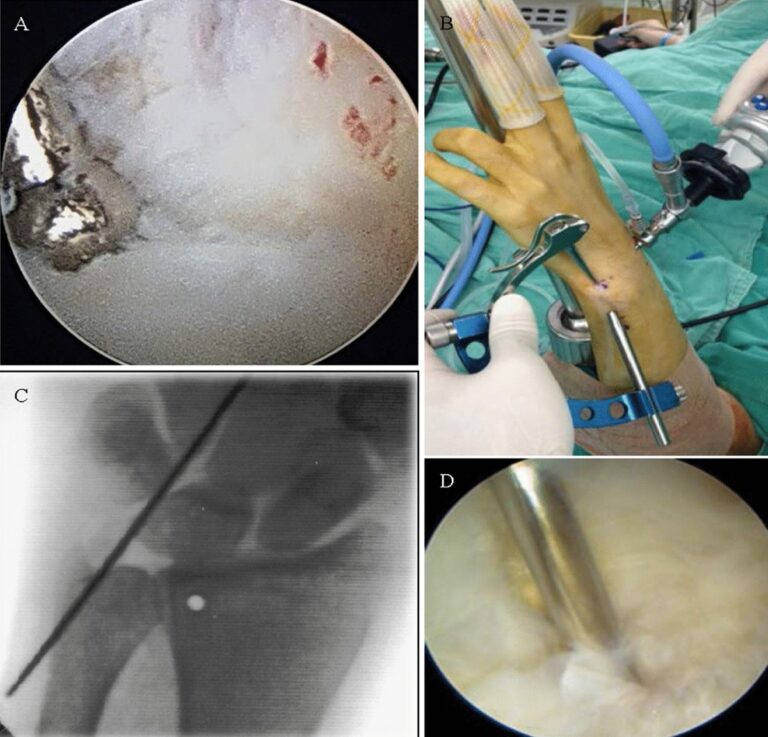
Arthroscopic TFCC repair is a minimally invasive surgical procedure that uses a small camera (arthroscope) and specialized instruments inserted through tiny incisions to repair the torn TFCC. This technique offers several advantages over open surgery, including less tissue damage, reduced pain, faster recovery, and smaller scars.
Before surgery, the patient undergoes a thorough evaluation, including imaging studies and medical clearance. The procedure is usually performed under regional or general anesthesia.
The procedure typically takes 30 to 90 minutes and is often performed on an outpatient basis, allowing the patient to go home the same day.
After immobilization, a structured rehabilitation program begins to restore wrist motion, strength, and function. Therapy includes:
Gentle range of motion exercises
Gradual strengthening exercises
Proprioceptive training to improve wrist stability
Most patients can resume light activities within 6 to 8 weeks. Full return to sports or heavy manual work may take 3 to 6 months, depending on the injury severity and individual healing.
As with any surgery, arthroscopic TFCC repair carries some risks:
However, these complications are relatively rare when performed by an experienced surgeon.
Arthroscopic TFCC repair is a highly effective surgical option for patients suffering from painful and unstable TFCC injuries. By restoring the integrity of this vital wrist structure, the procedure helps alleviate pain, improve wrist function, and enable patients to return to their daily activities and sports.
If you experience persistent ulnar-sided wrist pain or instability, consult a hand specialist or orthopedic surgeon to evaluate your condition. Early diagnosis and appropriate treatment can prevent long-term complications and preserve wrist health.
Chat With Me