Ganglion cysts are common, benign lumps that typically develop along the tendons or joints of your wrists or hands, though they can also appear on the feet or ankles. While these cysts are generally harmless and often painless, they can sometimes cause discomfort, restrict movement, or become cosmetically concerning. When this happens, many people consider ganglion cyst removal to alleviate symptoms and improve quality of life.
In this article, we will explore what ganglion cysts are, why they form, the symptoms they cause, and the various treatment options available, with a focus on ganglion cyst removal procedures.
A ganglion cyst is a fluid-filled sac that arises from the tissues surrounding a joint or tendon. The cyst is filled with a thick, jelly-like fluid similar to the synovial fluid that lubricates joints. These cysts can vary in size and may grow larger with repetitive joint use or shrink on their own over time.
Ganglion cysts most commonly occur on the back of the wrist but can also be found on the palm side of the wrist, fingers, feet, or ankles. They are more prevalent in women and typically affect people between the ages of 20 and 40.
The exact cause of ganglion cysts is not fully understood, but they are believed to result from irritation or trauma to a joint or tendon sheath. This irritation causes the tissue to produce excess synovial fluid, which then collects in a sac-like structure.
Risk factors for developing ganglion cysts include:
Many ganglion cysts are asymptomatic and discovered incidentally. However, when symptoms do occur, they may include:
If the cyst is painless and does not interfere with function, treatment may not be necessary.
Diagnosis of a ganglion cyst typically involves a physical examination by a healthcare provider. The cyst is usually soft or firm, round or oval, and may transilluminate (light passes through it) when a light is shone behind it.
In some cases, imaging tests such as ultrasound or MRI may be used to confirm the diagnosis and rule out other conditions like tumors or infections.
Treatment depends on the size, location, symptoms, and patient preference. Options include:
If the cyst is small and not causing symptoms, your doctor may recommend simply monitoring it over time. Many ganglion cysts resolve spontaneously without intervention.
Wearing a wrist brace or splint can reduce movement and may help shrink the cyst by decreasing fluid production.
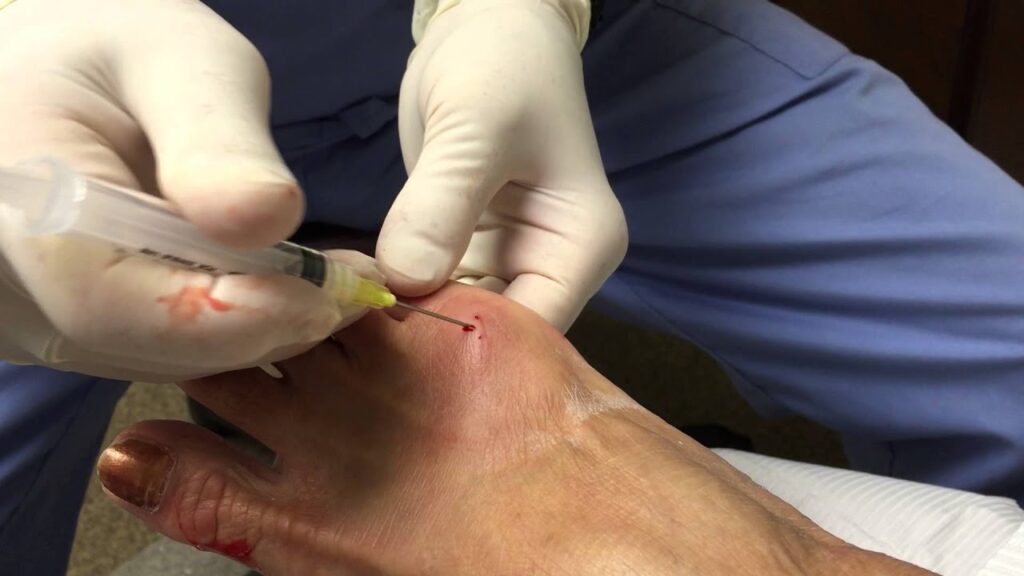
Aspiration involves using a needle to drain the fluid from the cyst. This procedure is minimally invasive and can provide relief, but cysts often recur because the cyst wall remains intact.
Surgical removal is the most definitive treatment for ganglion cysts, especially if they are painful, recurrent, or interfere with joint function. Surgery involves excising the cyst along with a portion of the joint capsule or tendon sheath to reduce the chance of recurrence.
Before surgery, your doctor will evaluate your overall health and the cyst’s characteristics. Imaging may be performed to map the cyst’s size and relation to nearby structures.
Ganglion cyst removal is usually done on an outpatient basis under local or general anesthesia. The surgeon makes an incision over the cyst, carefully dissects it from surrounding tissues, and removes the cyst along with its stalk or base.
The goal is to remove the entire cyst and its connection to the joint or tendon sheath to minimize recurrence.
After surgery, the wrist or affected area is typically immobilized with a splint or bandage for a few days to weeks. Pain and swelling are common but manageable with medication.
Physical therapy may be recommended to restore strength and range of motion. Most patients return to normal activities within a few weeks, though heavy lifting or strenuous use may be restricted for longer.
As with any surgery, ganglion cyst removal carries some risks, including:
Your surgeon will discuss these risks and how to minimize them.
You should consult a healthcare professional if you notice:
Early evaluation can help determine the best treatment approach and prevent complications.
Ganglion cysts are common and usually benign, but they can cause discomfort and functional limitations. While many cysts resolve on their own or respond to conservative treatments, surgical removal offers a reliable solution for persistent or symptomatic cysts.
If you are experiencing symptoms from a ganglion cyst or are concerned about its appearance, consult a qualified healthcare provider. They can provide an accurate diagnosis and guide you through the best treatment options, including ganglion cyst removal surgery if needed.
Chat With Me