
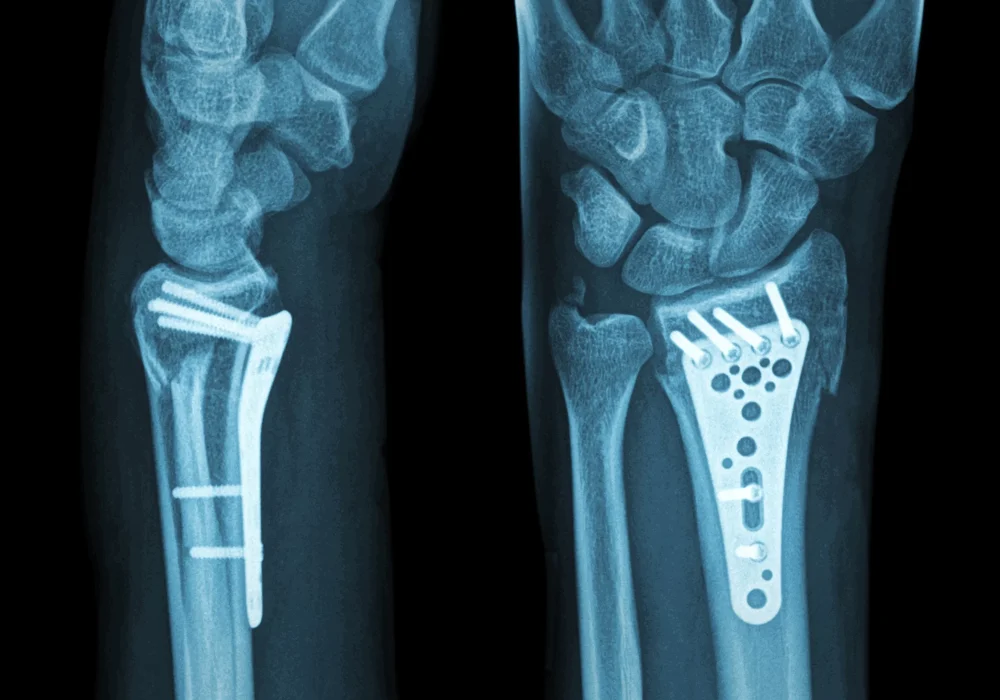
The distal radius is the end portion of the radius bone near the wrist joint. Fractures of the distal radius are among the most common orthopedic injuries, often resulting from falls onto an outstretched hand. These fractures can vary widely in severity, from simple, non-displaced breaks to complex, comminuted fractures involving the joint surface. Proper management is crucial to restore wrist function, prevent long-term complications, and ensure optimal patient outcomes.
Distal radius plating is a surgical technique used to stabilize fractures of the distal radius using metal plates and screws. This method provides rigid fixation, allowing for early mobilization and improved anatomical alignment of the fractured bone fragments. The plates are typically made of stainless steel or titanium, designed to contour to the shape of the distal radius.
The goal of distal radius plating is to restore the normal anatomy of the wrist, maintain the length and alignment of the radius, and enable early wrist motion to reduce stiffness and improve functional recovery.
Not all distal radius fractures require plating. The decision to perform plating depends on several factors, including:
Several types of plates are used depending on the fracture characteristics and surgeon preference:
Volar locking plates are the most commonly used implants for distal radius fractures. They are applied to the volar (palm) side of the radius and have locking screw technology that provides angular stability. This is especially beneficial in osteoporotic bone where screw purchase may be compromised.
Dorsal plates are applied to the back of the wrist and are less commonly used due to higher rates of tendon irritation and rupture. They may be indicated in specific fracture patterns involving the dorsal aspect of the distal radius.
In complex fractures, fragment-specific plates and screws may be used to stabilize individual bone fragments, allowing for precise anatomical reconstruction.
The surgical procedure for distal radius plating generally involves the following steps:
Postoperative management is critical to the success of distal radius plating:
While distal radius plating is generally safe and effective, complications can occur:
Studies have shown that distal radius plating provides excellent functional outcomes, especially in younger patients and those with complex fractures. Most patients regain near-normal wrist motion and strength, allowing return to daily activities and work. Long-term complications such as post-traumatic arthritis are minimized with accurate anatomical reduction.
Advances in implant design, such as low-profile plates and variable-angle locking screws, continue to improve outcomes. Minimally invasive surgical techniques and computer-assisted fracture reduction are emerging to reduce soft tissue damage and enhance precision.
Biodegradable plates and screws are also under investigation to eliminate the need for hardware removal. Additionally, 3D printing technology is being explored to create patient-specific implants tailored to individual anatomy.
Distal radius plating is a cornerstone in the surgical management of distal radius fractures, offering stable fixation and enabling early rehabilitation. Proper patient selection, meticulous surgical technique, and comprehensive postoperative care are essential to achieving optimal results. As technology advances, distal radius plating will continue to evolve, improving patient outcomes and quality of life.
Chat With Me