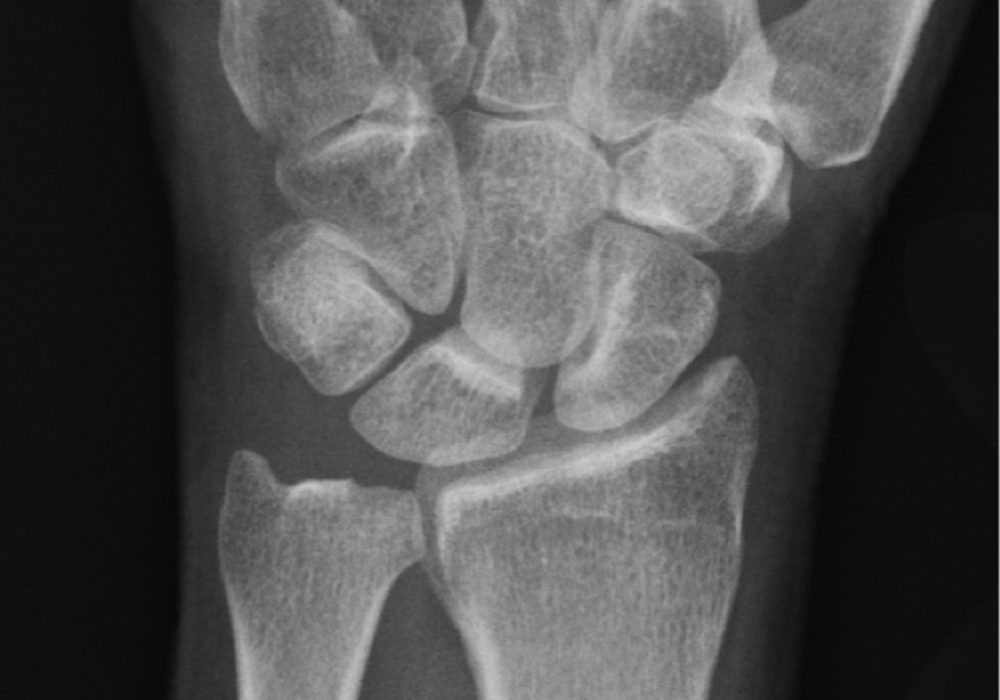
Wafers resection of the ulna is a specialized surgical procedure primarily used to address certain wrist and forearm conditions involving the distal ulna. This technique involves the removal of a thin slice or “wafer” of bone from the distal end of the ulna, which can help alleviate pain, improve joint function, and restore stability in the wrist. It is often considered a less invasive alternative to more extensive surgeries such as the Darrach procedure or the Sauvé-Kapandji procedure.
This article provides an in-depth look at wafers resection of the ulna, including its indications, surgical technique, benefits, potential complications, and postoperative care.
The ulna is one of the two long bones in the forearm, running parallel to the radius. It extends from the elbow to the wrist and plays a crucial role in forearm rotation and wrist stability. The distal end of the ulna articulates with the radius and the carpal bones, forming the distal radioulnar joint (DRUJ) and contributing to wrist movement.
Injuries or degenerative conditions affecting the distal ulna can lead to pain, limited motion, and functional impairment. Surgical intervention such as wafers resection may be necessary to restore normal biomechanics.
Wafers resection of the ulna is a surgical technique that involves removing a thin, wafer-like slice of bone from the distal ulna. Unlike complete resection procedures that remove a larger segment of the ulna, the wafer technique preserves more bone and soft tissue, maintaining better joint stability and function.
The goal of this procedure is to relieve impingement or pain caused by ulnar abutment syndrome, distal radioulnar joint arthritis, or other conditions where the ulna excessively contacts the carpal bones or radius.
Wafers resection is typically indicated in the following scenarios:
Before surgery, the patient undergoes a thorough clinical evaluation, including physical examination and imaging studies such as X-rays or MRI to assess the extent of ulnar variance and joint damage.
The procedure is usually performed under regional anesthesia (such as a brachial plexus block) or general anesthesia, depending on patient and surgeon preference.
The surgery typically takes about 30 to 60 minutes, depending on complexity.
As with any surgical procedure, wafers resection of the ulna carries some risks:
After surgery, the wrist is typically immobilized in a splint or cast for 2 to 4 weeks to allow initial healing.
Pain is managed with medications such as NSAIDs or prescribed analgesics.
Once the initial healing phase is complete, patients begin physical therapy to restore range of motion, strength, and function. Therapy focuses on:
Regular follow-up visits with the surgeon are essential to monitor healing and address any complications.
Most patients undergoing wafers resection of the ulna experience significant improvement in pain and wrist function. The procedure is particularly effective for patients with mild to moderate ulnar impaction syndrome or DRUJ arthritis.
Long-term outcomes depend on the severity of the underlying condition and adherence to postoperative rehabilitation. When performed appropriately, wafers resection can delay or prevent the need for more extensive surgeries.
Other surgical options for distal ulna problems include:
The choice of procedure depends on patient age, activity level, severity of disease, and surgeon expertise.
Wafers resection of the ulna is a valuable surgical technique for managing conditions such as ulnar impaction syndrome and distal radioulnar joint arthritis. By removing a thin slice of bone from the distal ulna, this procedure can relieve pain, improve wrist function, and maintain joint stability with minimal invasiveness.
If you are experiencing persistent ulnar-sided wrist pain or limited forearm rotation, consult an orthopedic or hand specialist to determine if wafers resection of the ulna is an appropriate treatment option for you.
Chat With Me