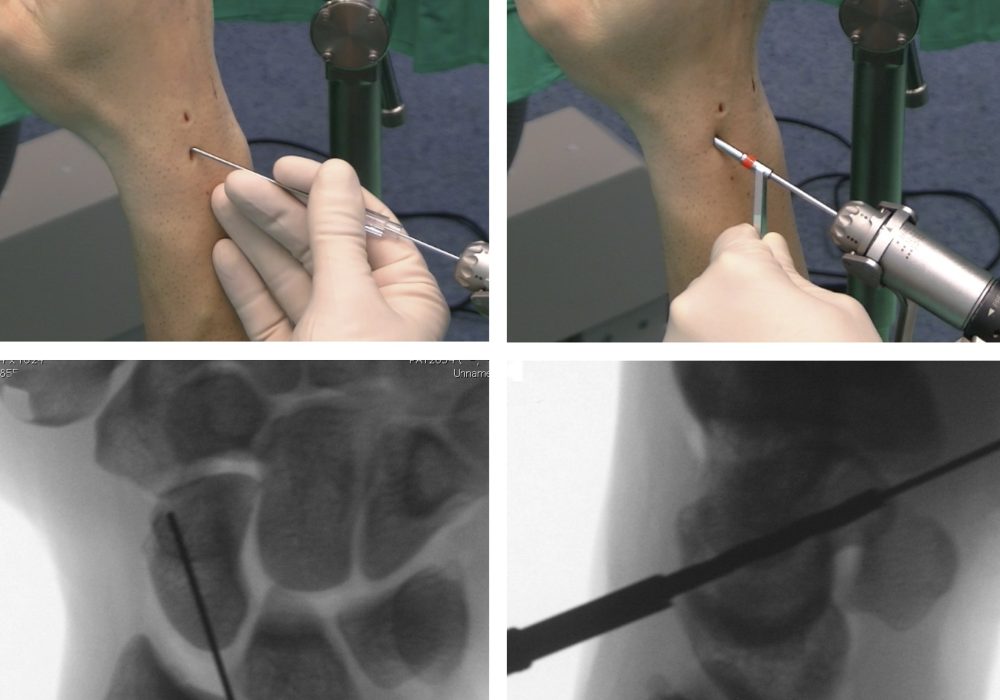
The scapholunate ligament (SLL) is a critical stabilizer of the wrist, connecting two important carpal bones—the scaphoid and the lunate. Injury or rupture of this ligament can lead to significant wrist instability, pain, and loss of function. When conservative treatments fail, scapholunate ligament reconstruction becomes a vital surgical option to restore wrist stability, alleviate symptoms, and improve hand function.
The wrist is a complex joint composed of eight small carpal bones arranged in two rows. The scaphoid and lunate bones are adjacent in the proximal row and are connected by the scapholunate ligament. This ligament plays a pivotal role in maintaining the normal kinematics and alignment of the wrist bones during movement.
Injury to the scapholunate ligament is one of the most common causes of carpal instability. It often results from trauma such as a fall on an outstretched hand or sports injuries. When the ligament is torn or severely damaged, the scaphoid and lunate lose their normal relationship, leading to abnormal motion, pain, and eventually degenerative arthritis if left untreated.
Early and accurate diagnosis is essential to prevent progression to chronic instability and arthritis. Diagnosis typically involves:
In partial tears or acute injuries, conservative treatment may be attempted:
However, complete tears or chronic instability often require surgical intervention.
When the scapholunate ligament is irreparably damaged, reconstruction surgery aims to restore the normal anatomy and biomechanics of the wrist. The goals are to:
Several techniques exist for scapholunate ligament reconstruction, and the choice depends on the extent of injury, chronicity, and surgeon preference. Common methods include:
Successful outcomes depend heavily on proper postoperative care:
Scapholunate ligament reconstruction can significantly improve wrist stability and reduce pain. However, outcomes vary based on:
Many patients regain good wrist function and return to daily activities and sports. However, some may experience residual stiffness or discomfort.
As with any surgery, there are risks involved:
Research continues to improve techniques and materials for ligament reconstruction. Innovations include:
Scapholunate ligament reconstruction is a specialized surgical procedure aimed at restoring wrist stability after ligament injury. Understanding the anatomy, injury mechanisms, and treatment options is essential for patients and healthcare providers. With appropriate surgical intervention and rehabilitation, many individuals can regain wrist function and return to their normal activities.
Chat With Me