
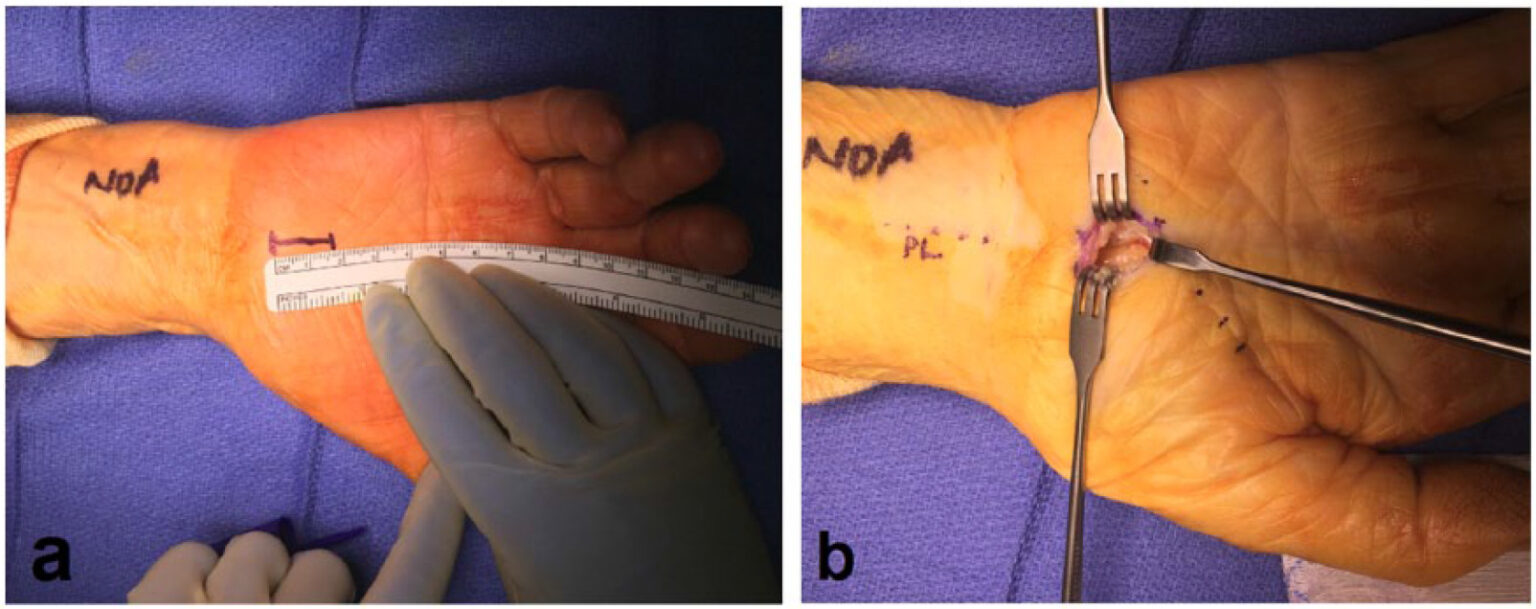
Carpal Tunnel Syndrome (CTS) is a common condition that affects millions of people worldwide. It occurs when the median nerve, which runs from the forearm into the palm of the hand, becomes compressed at the wrist. This compression leads to symptoms such as numbness, tingling, weakness, and pain in the hand and fingers. When conservative treatments fail to relieve symptoms, Open Carpal Tunnel Release Surgery is often recommended as an effective solution.
The carpal tunnel is a narrow passageway located on the palm side of the wrist. It is bounded by bones and ligaments and contains the median nerve along with tendons that control finger movement. When the tissues surrounding the tendons become swollen or thickened, they can compress the median nerve, leading to CTS.
Most patients with CTS initially try non-surgical treatments such as wrist splints, anti-inflammatory medications, corticosteroid injections, and activity modifications. However, if symptoms persist or worsen despite these measures, surgery may be necessary to relieve pressure on the median nerve.
Open Carpal Tunnel Release Surgery is typically recommended when:
Open Carpal Tunnel Release Surgery is a procedure designed to relieve pressure on the median nerve by cutting the transverse carpal ligament, which forms the roof of the carpal tunnel. By releasing this ligament, the tunnel space is increased, reducing nerve compression and alleviating symptoms.
The surgery is usually performed under local anesthesia with sedation or general anesthesia, depending on the patient’s preference and surgeon’s recommendation. The steps include:
The entire procedure usually takes about 15 to 30 minutes.
As with any surgery, Open Carpal Tunnel Release carries some risks, although serious complications are rare. Potential risks include:
Your surgeon will discuss these risks with you and take steps to minimize them.
Recovery from Open Carpal Tunnel Release Surgery varies depending on individual factors such as age, overall health, and severity of the condition. Here is a general timeline:
In some cases, less invasive options may be considered:
Your healthcare provider will help determine the best approach based on your specific condition.
Candidates typically include individuals who:
Before surgery, your doctor will conduct a thorough evaluation, including:
You will receive instructions on fasting, medications, and what to expect on the day of surgery.
Open Carpal Tunnel Release Surgery is a well-established and highly effective treatment for relieving the symptoms of Carpal Tunnel Syndrome. By carefully releasing the transverse carpal ligament, this procedure decompresses the median nerve, allowing patients to regain hand function and improve quality of life. If you suffer from persistent numbness, pain, or weakness in your hand, consult a qualified hand surgeon to discuss whether this surgery is right for you.
Chat With Me