
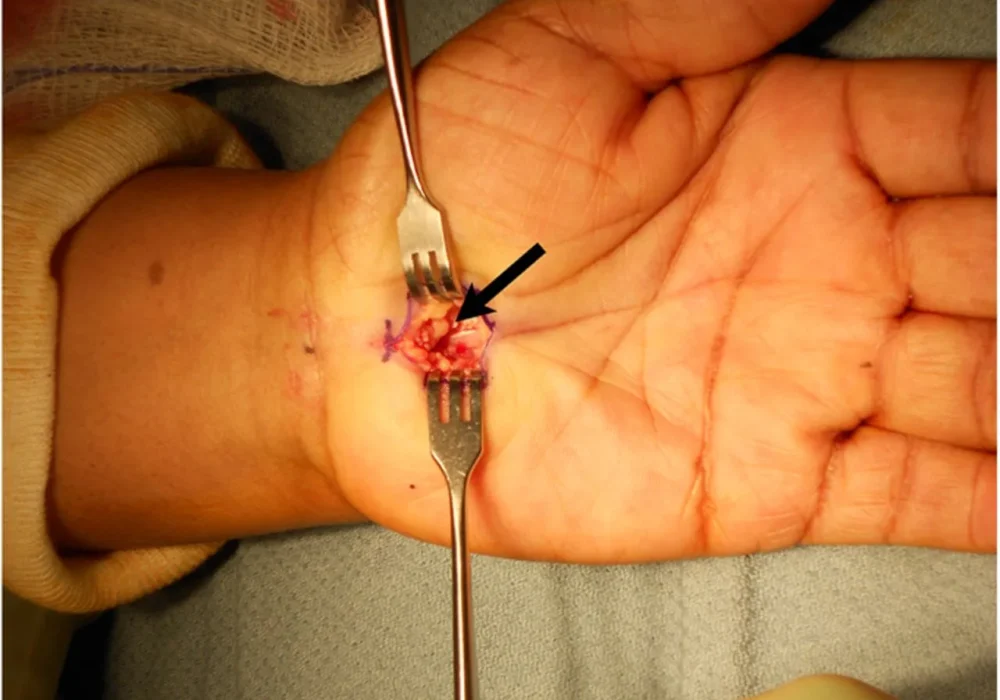
Carpal Tunnel Syndrome (CTS) is a common condition that affects millions of people worldwide. It occurs when the median nerve, which runs from the forearm into the palm of the hand, becomes compressed at the wrist. This compression leads to symptoms such as numbness, tingling, weakness, and pain in the hand and fingers. When conservative treatments fail to relieve symptoms, surgery may be recommended. One of the most advanced and minimally invasive surgical options available today is Mini Carpal Tunnel Release Surgery.
The carpal tunnel is a narrow passageway located on the palm side of the wrist. It is bounded by bones and ligaments and contains the median nerve along with tendons that control finger movement. When the tissues surrounding the tendons swell or thicken, they can compress the median nerve, leading to CTS.
Traditional surgery involves making a relatively large incision (about 2 to 3 inches) in the palm to cut the transverse carpal ligament, which forms the roof of the carpal tunnel. By cutting this ligament, pressure on the median nerve is relieved. While effective, this approach can lead to longer recovery times, more postoperative pain, and a larger scar.
Mini Carpal Tunnel Release Surgery is a minimally invasive technique designed to reduce the drawbacks of traditional surgery. It involves a much smaller incision, typically less than 1 inch, and uses specialized instruments to cut the transverse carpal ligament with precision.
Smaller Incision and Less Scarring
The smaller incision results in a less noticeable scar, which is cosmetically preferable for many patients.
Reduced Postoperative Pain
Because the surgery is less invasive, patients often experience less pain after the procedure.
Faster Recovery Time
Patients typically return to normal activities more quickly compared to traditional surgery.
Lower Risk of Complications
The minimally invasive nature reduces the risk of infection and damage to surrounding tissues.
Improved Precision
The use of specialized instruments and sometimes endoscopic assistance allows the surgeon to visualize and release the ligament with greater accuracy.
Mini Carpal Tunnel Release Surgery is suitable for patients who have:
Your hand surgeon will evaluate your medical history, symptoms, and diagnostic test results to determine if this procedure is appropriate for you.
Before surgery, patients undergo a thorough evaluation including physical examination and diagnostic tests. Instructions regarding fasting, medications, and arrival time are provided.
The procedure is usually performed under local anesthesia with sedation or regional anesthesia (nerve block), allowing the patient to remain comfortable and awake without feeling pain in the hand.
Incision
A small incision, typically less than 1 inch, is made in the palm near the wrist.
Exposure
Specialized instruments or an endoscope are inserted through the incision to visualize the transverse carpal ligament.
Release of the Ligament
The surgeon carefully cuts the transverse carpal ligament to relieve pressure on the median nerve.
Closure
The incision is closed with sutures or surgical glue, and a sterile dressing is applied.
While Mini Carpal Tunnel Release Surgery is generally safe, potential risks include:
Your surgeon will discuss these risks and how they are minimized during the procedure.
Studies have shown that Mini Carpal Tunnel Release Surgery has success rates comparable to traditional surgery, with many patients experiencing significant symptom relief and improved hand function. The minimally invasive approach often results in higher patient satisfaction due to less pain and faster recovery.
Mini Carpal Tunnel Release Surgery represents a significant advancement in the treatment of Carpal Tunnel Syndrome. By offering a less invasive option with faster recovery and less postoperative pain, it has become a preferred choice for many patients and surgeons alike. If you are suffering from persistent CTS symptoms, consult with a qualified hand specialist to determine if this innovative surgical option is right for you.
Chat With Me