In reconstructive surgery, flaps are essential tools used to repair defects, cover wounds, and restore form and function. Flaps involve the transfer of tissue from one part of the body to another, maintaining their own blood supply. While microvascular free flaps, which require microsurgical anastomosis of blood vessels, have become increasingly popular, non-microvascular flaps remain a vital and widely used option in many clinical scenarios. This article explores the concept of non-microvascular flaps, their types, indications, surgical techniques, and advantages.
Non-microvascular flaps, also known as pedicled or regional flaps, are tissue transfers that retain their original blood supply through a vascular pedicle during the transfer. Unlike free flaps, which are completely detached and reconnected using microsurgery, non-microvascular flaps remain attached to their donor site by a stalk of tissue containing the blood vessels.
These flaps can include skin, subcutaneous tissue, muscle, fascia, or combinations thereof. Because they do not require microsurgical vessel anastomosis, non-microvascular flaps are often simpler and faster to perform, making them suitable for a wide range of reconstructive needs.
Non-microvascular flaps can be classified based on their composition, blood supply, and movement:
Random pattern flaps rely on the subdermal plexus for blood supply without a defined named artery. They are usually small and limited in length-to-width ratio (typically 1.5:1 to 2:1) to ensure adequate perfusion. Examples include:
Axial pattern flaps are based on a known, named artery and vein, providing a more reliable blood supply. These flaps can be larger and longer than random flaps. Examples include:
These flaps include muscle tissue with or without overlying skin. They are often used to fill dead space, provide bulk, and improve vascularity to poorly healing wounds. Examples:
These flaps include skin and underlying fascia, offering thin, pliable coverage with good blood supply. Examples:
Non-microvascular flaps are indicated in a variety of clinical situations, including:
The success of non-microvascular flaps depends on meticulous surgical planning and technique. Key steps include:
Non-microvascular flaps offer several benefits that make them valuable in reconstructive surgery:
Despite their advantages, non-microvascular flaps have some limitations:
Based on the superficial circumflex iliac artery, the groin flap is a classic axial flap used for hand and forearm reconstruction. It provides thin, pliable skin and is relatively easy to harvest.
A large muscle flap based on the thoracodorsal artery, the pedicled latissimus dorsi flap is used for chest wall, shoulder, and upper arm reconstruction. It provides substantial bulk and vascularity.
A fasciocutaneous flap based on the sural artery, used for coverage of defects around the lower leg, ankle, and foot. It is a reliable option for distal lower extremity reconstruction.
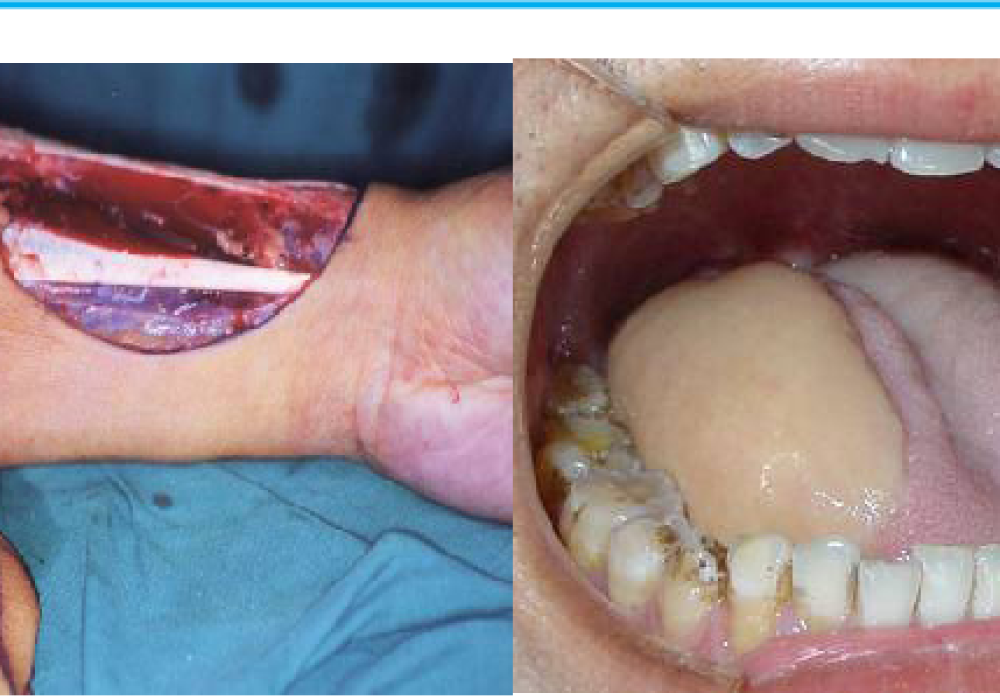
Though often used as a free flap, the radial forearm flap can be harvested as a pedicled flap for coverage of defects in the hand and wrist region.
Non-microvascular flaps remain a cornerstone of reconstructive surgery, offering reliable, versatile, and accessible options for tissue coverage and defect repair. Understanding the anatomy, indications, and surgical techniques of these flaps enables surgeons to select the most appropriate method for each patient. While microsurgical free flaps have expanded reconstructive possibilities, non-microvascular flaps continue to play a crucial role, especially in settings where microsurgery is not feasible or when regional tissue transfer is preferred.
With careful planning and execution, non-microvascular flaps can achieve excellent functional and aesthetic outcomes, improving patient quality of life and facilitating recovery from complex injuries and defects.
Chat With Me