Flexor tenosynovectomy is a surgical procedure performed to remove inflamed or thickened synovial tissue surrounding the flexor tendons of the hand and fingers. Flexor tendons run from the forearm through the wrist and into the fingers, allowing bending and gripping movements. These tendons are enclosed in a protective sheath lined with synovium, a thin layer that produces fluid to facilitate smooth tendon gliding.
When the synovium becomes thickened, inflamed, or scarred, it can interfere with tendon motion, leading to pain, stiffness, swelling, and difficulty with hand function. This condition is commonly referred to as tenosynovitis. In some cases, tenosynovitis may resolve with non-surgical treatments such as rest, splinting, anti-inflammatory medications, or steroid injections. However, when symptoms persist or severely impair function, flexor tenosynovectomy may be recommended to restore movement and relieve pain.
There are several reasons why the synovium may become diseased or thickened, including:
Rheumatoid arthritis: Chronic inflammatory arthritis can cause proliferation of synovium (synovitis), which may wrap around and compress the tendons.
Infections: Certain bacterial infections can damage the tendon sheath and cause persistent inflammation.
Overuse or repetitive strain: Continuous stress on the tendons may lead to irritation and synovial thickening.
Trauma: Direct injury to the tendon sheath may trigger chronic inflammation.
Idiopathic causes: In some cases, the exact cause may not be identified.
Patients with flexor tenosynovitis often present with:
Pain along the course of the flexor tendons, especially in the palm and fingers.
Swelling or a feeling of fullness in the affected finger.
Stiffness and reduced range of motion.
A locking or triggering sensation in more advanced cases.
Weak grip strength and difficulty with tasks requiring hand dexterity.
Flexor tenosynovectomy is typically considered when:
Non-surgical treatments fail to relieve symptoms.
There is significant functional impairment in daily activities.
The patient has underlying inflammatory conditions like rheumatoid arthritis with progressive tendon involvement.
The tendons are at risk of rupture due to chronic synovial invasion.
Flexor tenosynovectomy is usually performed under regional or general anesthesia.
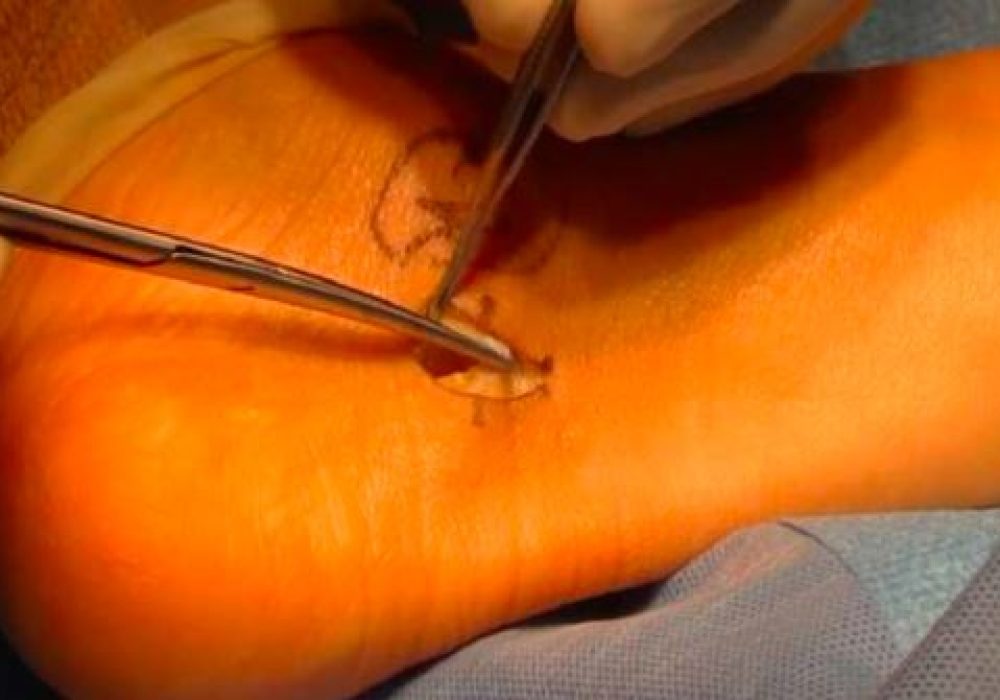
Incision: A carefully placed incision is made over the affected area, often following natural skin creases to minimize scarring.
Exposure of tendon sheath: The surgeon identifies and isolates the flexor tendons and their sheath.
Removal of diseased synovium: Thickened or inflamed synovial tissue is meticulously excised from around the tendons, freeing them from constriction.
Assessment of tendon health: The tendons are examined for damage, fraying, or risk of rupture. In some cases, additional procedures like tendon repair may be performed.
Closure: After ensuring smooth tendon gliding, the wound is closed with sutures, and a dressing is applied.
The surgery can involve one tendon or multiple tendons, depending on the extent of disease. In rheumatoid arthritis, for example, a more extensive tenosynovectomy may be performed to prevent progressive tendon damage.
Successful recovery depends greatly on proper aftercare and hand therapy. Key aspects include:
Immobilization: Initially, the hand may be protected in a splint to allow healing.
Early mobilization: Gentle motion exercises are introduced under the guidance of a hand therapist to prevent stiffness and encourage tendon gliding.
Scar management: Techniques such as massage or silicone therapy may be recommended.
Pain and swelling control: Ice, elevation, and prescribed medications help reduce discomfort and inflammation.
Rehabilitation program: Patients typically undergo a structured program of exercises to restore strength, flexibility, and fine motor function.
As with any surgical procedure, flexor tenosynovectomy carries potential risks. These include:
Infection at the surgical site.
Stiffness or limited finger motion.
Recurrence of synovitis, particularly in patients with ongoing rheumatoid arthritis.
Damage to nerves, blood vessels, or tendons during surgery.
Formation of scar tissue leading to adhesions around tendons.
The results of flexor tenosynovectomy are generally favorable, particularly when performed early in the disease process. Patients often experience significant relief from pain and improved hand mobility. In cases related to rheumatoid arthritis, the procedure can prevent tendon rupture and maintain function for a longer period, though recurrence of synovitis may occur due to the chronic nature of the disease.
The degree of improvement depends on factors such as:
The underlying cause of tenosynovitis.
The extent of tendon involvement.
The patient’s commitment to rehabilitation.
The presence of joint stiffness or other associated deformities.
Flexor tenosynovectomy is a valuable surgical option for individuals suffering from chronic tenosynovitis that does not respond to conservative treatment. By removing diseased synovium and restoring free tendon movement, the procedure helps preserve hand function and relieve pain. Although risks exist, careful surgical technique combined with dedicated postoperative therapy leads to good functional outcomes in most cases. For patients with rheumatoid arthritis or other inflammatory disorders, tenosynovectomy plays an important role in protecting tendons and maintaining quality of life.
Chat With Me