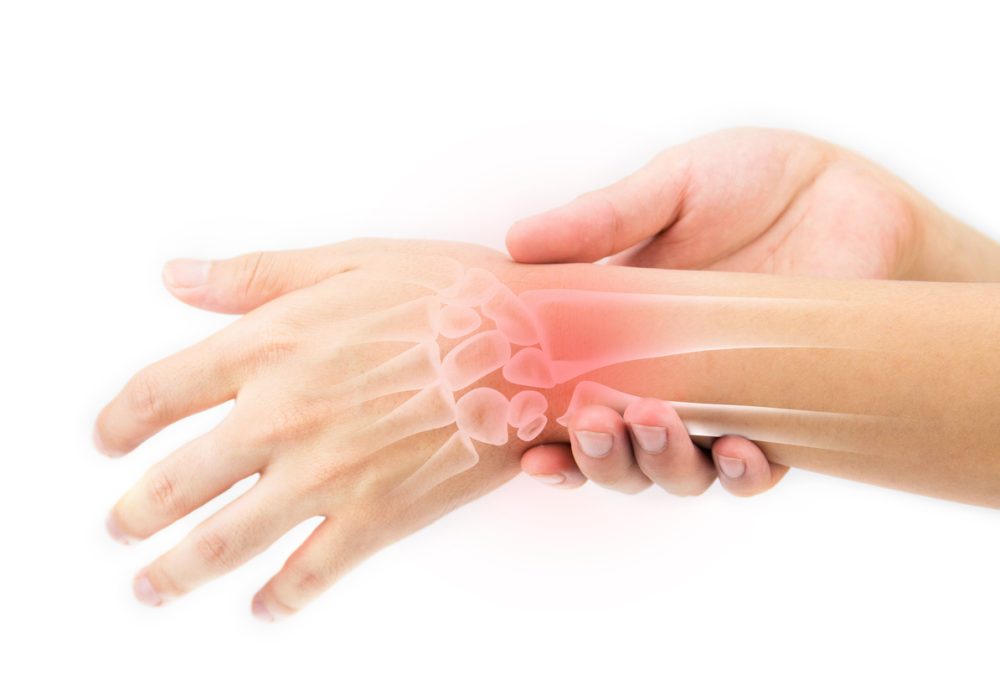
Wrist amputation refers to the removal of the hand at or near the wrist joint, separating the hand from the forearm. It is a form of upper limb amputation that preserves the forearm but results in the complete loss of the hand and fingers. This level of amputation is more proximal than finger or partial hand amputations and has a greater impact on function.
Causes of Wrist Amputation
Traumatic Causes
Wrist amputations often result from severe trauma, including
- Industrial accidents involving heavy machinery or power tools.
- Motor vehicle collisions.
- Crush injuries.
- Explosions or blast injuries.
- Severe lacerations or avulsions.
Non-Traumatic Causes
Non-traumatic causes include:
- Severe infections such as gangrene or necrotizing fasciitis.
- Malignant tumors requiring surgical removal.
- Vascular diseases leading to tissue death.
- Congenital deformities or malformations.
Anatomy and Function of the Wrist
The wrist is a complex joint connecting the forearm to the hand. It consists of:
- Bones: Eight carpal bones arranged in two rows.
- Joints: Radiocarpal and midcarpal joints allowing wrist movement.
- Ligaments: Providing stability.
- Tendons: Controlling hand and finger movements.
- Nerves and blood vessels: Supplying sensation and circulation.
The wrist enables a wide range of motion including flexion, extension, radial and ulnar deviation, and circumduction, which are essential for hand positioning and function.
Clinical Presentation
Patients with wrist amputation may present with:
- Visible loss of the hand at the wrist level.
- Severe pain and bleeding in acute injuries.
- Loss of hand function and sensation.
- Psychological distress including anxiety and depression.
- Difficulty performing activities of daily living (ADLs).
Initial Assessment and Emergency Management
Emergency Care for Traumatic Amputation
- Stabilize the patient: Ensure airway, breathing, and circulation.
- Control bleeding: Apply direct pressure or tourniquets if necessary.
- Preserve the amputated hand: Wrap in moist sterile gauze, place in a sealed plastic bag, and keep cool.
- Pain management: Administer analgesics.
- Tetanus prophylaxis: Update immunization.
- Rapid transport: Transfer to a specialized trauma or hand surgery center.
Clinical Evaluation
- Assess the level and extent of amputation.
- Evaluate vascular status and nerve function.
- Check for associated injuries.
- Obtain imaging studies such as X-rays to assess bone involvement.
Treatment Options
Surgical Management
Treatment depends on the injury severity, patient condition, and available resources. Options include:
- Replantation: Microsurgical reattachment of the amputated hand, possible in selected cases with viable tissue and timely intervention.
- Revision amputation: Creating a functional and pain-free stump if replantation is not feasible.
- Soft tissue coverage: Using skin grafts or flaps to cover the stump.
- Bone stabilization: Using internal or external fixation devices.
Replantation Considerations
Replantation at the wrist level is a complex microsurgical procedure requiring:
- Skilled surgical team.
- Short ischemia time (ideally within 6-12 hours).
- Good condition of the amputated part.
- Patient’s overall health.
Successful replantation can restore significant function but requires intensive postoperative care.
Rehabilitation
Rehabilitation is critical for functional recovery and psychological adjustment. It includes:
- Physical therapy: To maintain range of motion and strengthen residual limb and other joints.
- Occupational therapy: To improve function and teach adaptive techniques.
- Prosthetic fitting: Wrist-level prostheses can restore appearance and some function.
- Psychological support: To address emotional and social challenges.
Functional Impact of Wrist Amputation
Wrist amputation results in the loss of all hand functions, including:
- Grasping and holding objects.
- Fine motor skills such as writing and buttoning.
- Sensory feedback from the hand.
- Communication through gestures.
The loss significantly limits independence and quality of life.
Prosthetic Options
Modern prosthetic devices for wrist amputees include:
- Cosmetic prostheses: Designed to resemble a natural hand for appearance.
- Body-powered prostheses: Controlled by harnesses and cables using shoulder or arm movements.
- Myoelectric prostheses: Use electrical signals from residual muscles to control hand movements.
- Hybrid prostheses: Combine features of body-powered and myoelectric devices.
Prosthetic fitting and training are essential for maximizing function.
Complications
Potential complications include:
- Infection and wound healing problems.
- Stump pain or neuroma formation.
- Joint stiffness and contractures.
- Psychological distress including depression and anxiety.
Prevention
Preventing traumatic wrist amputation involves:
- Strict adherence to safety protocols in workplaces.
- Use of protective equipment such as gloves and guards.
- Proper training and supervision when operating machinery.
- Public awareness campaigns on injury prevention.
Preventing traumatic wrist amputation involves:
Prognosis
The prognosis depends on the injury severity, treatment, and rehabilitation. Advances in microsurgery and prosthetics have improved outcomes, but some limitations may persist. Early intervention and comprehensive care enhance recovery.
Conclusion
Wrist amputation is a life-altering injury with profound physical and psychological effects. Multidisciplinary care involving surgeons, therapists, and mental health professionals is essential to optimize recovery and help patients regain independence. With advances in medical technology and rehabilitation, many individuals can adapt and lead fulfilling lives despite the loss of their hand at the wrist level.