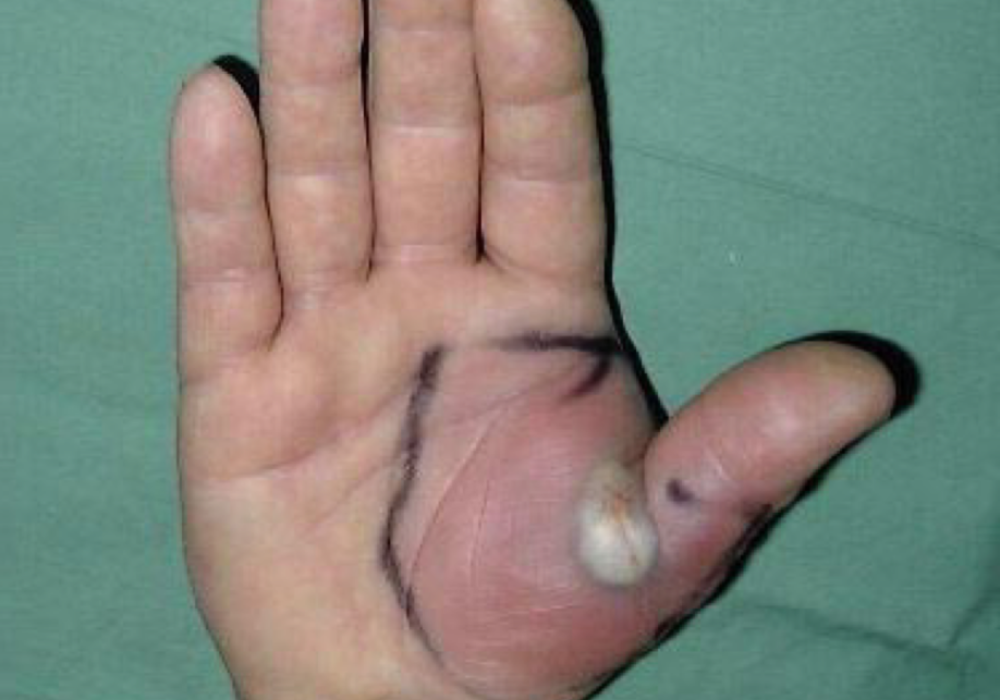
Clinical Presentation
Diagnosis
- Detailed history including occupational exposure, trauma, and immune status.
- Physical examination focusing on swelling, tenderness, and presence of sinus tracts.
- Laboratory tests: inflammatory markers (ESR, CRP), white blood cell count.
- Microbiological cultures from tissue biopsy or drainage to identify causative organisms.
- Imaging: X-rays may show bone changes; MRI or ultrasound can assess soft tissue involvement.
- Histopathology may be necessary for atypical infections.
Treatment
- Prolonged antimicrobial therapy tailored to the identified pathogen, often requiring weeks to months.
- Surgical intervention including drainage, debridement, or partial amputation may be necessary to remove infected tissue.
- Management of underlying conditions such as diabetes or immunosuppression is critical.
- Avoidance of predisposing factors, especially in chronic paronychia (e.g., moisture exposure).
- Adjunctive therapies include splinting, elevation, and hand therapy to preserve function.
Prognosis and Complications
Patient Education and Prevention
Challenges in Diagnosing Chronic Hand Infections
Chronic hand infections often present diagnostic challenges due to their subtle symptoms and slow progression. Unlike acute infections, patients may not exhibit classic signs such as high fever or marked redness. The infection may masquerade as other chronic inflammatory conditions like rheumatoid arthritis, gout, or even tumors.
- Delayed Presentation: Patients may delay seeking care because symptoms are mild or intermittent.
- Atypical Organisms: Infections caused by atypical mycobacteria or fungi require specialized culture techniques and longer incubation periods.
- Imaging Limitations: Early bone or soft tissue changes may not be visible on plain X-rays; advanced imaging such as MRI or CT scans are often necessary.
- Need for Biopsy: Definitive diagnosis often requires tissue biopsy for histopathology and culture, especially in cases unresponsive to standard antibiotics.
Advanced Treatment Modalities
Management of chronic hand infections has evolved with advances in surgical techniques and antimicrobial therapy.
- Targeted Antimicrobial Therapy: Use of culture and sensitivity results to guide prolonged antibiotic or antifungal regimens, often lasting 6 weeks or more.
- Surgical Debridement: Removal of necrotic tissue and drainage of abscesses to reduce bacterial load and promote healing.
- Reconstructive Surgery: In cases with significant tissue loss, reconstructive procedures such as skin grafts, flaps, or tendon transfers may be necessary.
- Local Antibiotic Delivery: Use of antibiotic-impregnated beads or spacers in osteomyelitis to provide high local drug concentrations.
- Hyperbaric Oxygen Therapy: Occasionally used as adjunctive treatment to enhance wound healing and combat anaerobic infections.
Rehabilitation and Functional Recovery
Restoring hand function after chronic infection is critical for patient quality of life.
- Physical Therapy: Early mobilization and exercises to prevent stiffness and maintain range of motion.
- Occupational Therapy: Focus on fine motor skills, grip strength, and activities of daily living.
- Splinting: Custom splints may be used to support healing tissues and prevent deformities.
- Pain Management: Addressing chronic pain through medications, nerve blocks, or other modalities.
- Psychosocial Support: Chronic hand infections can impact mental health; counseling and support groups may be beneficial.
Prevention Strategies
Preventing chronic hand infections involves both patient education and workplace safety.
Conclusion
Chronic hand infections are complex conditions that require a comprehensive approach for successful management. Early recognition, accurate diagnosis, appropriate antimicrobial therapy, surgical intervention when necessary, and dedicated rehabilitation are essential to restore hand function and prevent long-term disability. If you experience symptoms suggestive of a chronic hand infection, consult a healthcare professional promptly for evaluation and treatment.