Avascular necrosis (AVN) of the scaphoid, also known as Preiser’s disease when non-traumatic, is a condition in which the blood supply to the scaphoid bone is disrupted, leading to bone death (necrosis) and potentially bone collapse. It can occur after a fracture, especially in the proximal pole, which has a precarious blood supply.
Traumatic (most common):
Scaphoid fracture, especially proximal pole fractures, can disrupt blood flow.
Non-traumatic / Idiopathic (rare):
Known as Preiser’s disease
Can be related to:
Steroid use
Alcoholism
Sickle cell disease
Gaucher’s disease
Systemic lupus erythematosus
Clinical Examination
Tenderness in the anatomical snuffbox
Pain with wrist movement
Imaging
X-ray: May show sclerosis, fragmentation, or collapse in late stages
MRI: Best for early detection of AVN (shows reduced vascularity)
CT scan: Useful for assessing bone structure and fracture healing
The scaphoid is a carpal bone on the radial side of the wrist, connecting the proximal and distal carpal rows.
It plays a critical role in wrist stability and motion.
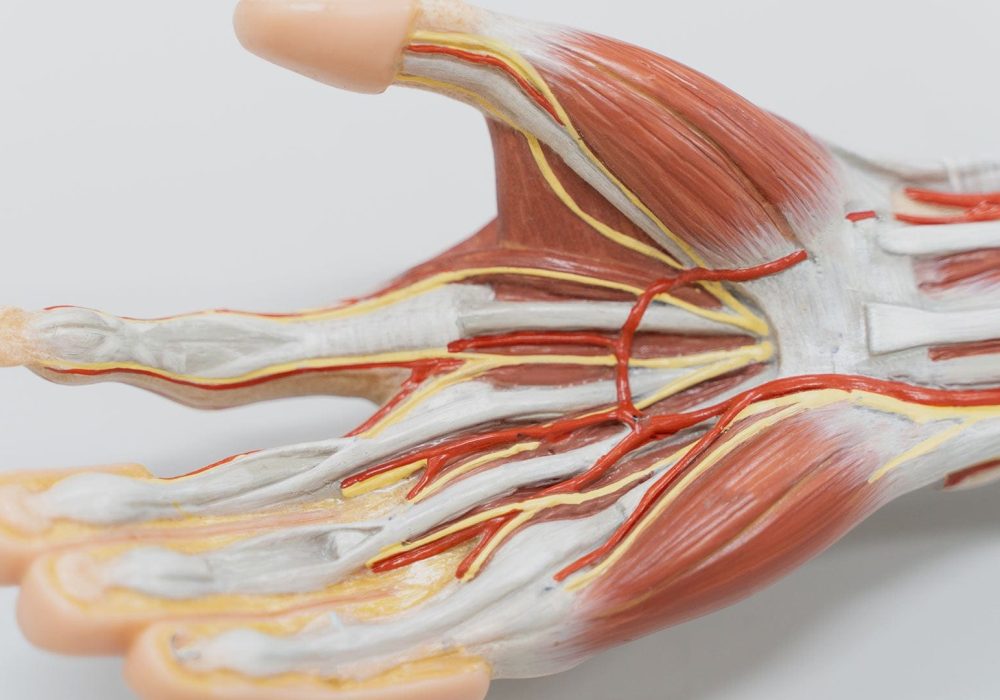
Primarily supplied by branches of the radial artery.
70–80% of the blood enters distally and travels retrograde to the proximal pole.
This retrograde supply makes the proximal one-third highly susceptible to AVN, especially after fractures.
X-ray
Early stages: Normal or subtle sclerosis of proximal pole
Late stages: Bone collapse, fragmentation, cystic changes
MRI (gold standard for early AVN)
Shows low signal intensity in T1 (bone marrow edema)
Helpful in evaluating vascularity of the scaphoid
CT scan
Excellent for assessing fracture union and bone architecture
Bone Scintigraphy
Functional test to evaluate perfusion
Avascular necrosis of the scaphoid is a serious condition that results from disrupted blood supply, most commonly following a scaphoid fracture, especially involving the proximal pole. Due to the scaphoid’s retrograde vascular anatomy, it is particularly vulnerable to ischemia and necrosis, leading to complications like nonunion, bone collapse, and wrist arthritis if not treated promptly.
Early diagnosis—primarily through MRI—plays a crucial role in preventing long-term disability. While conservative management may be effective in early or mild cases, surgical intervention, including vascularized bone grafting and internal fixation, is often necessary for advanced disease. In late-stage cases with carpal collapse or arthritis, salvage procedures may be required.
Timely and appropriate treatment is essential to preserve wrist function, reduce pain, and prevent progression to chronic wrist instability and degenerative changes.
Chat With Me