What Are Pediatric Contractures?
A contracture occurs when soft tissues around a joint become stiff and shortened, limiting the joint’s range of motion. In children, contractures can affect any joint but are most common in the elbows, knees, wrists, fingers, and ankles. Contractures can be congenital (present at birth) or acquired due to injury, disease, or prolonged immobilization.
Causes of Pediatric Contractures
- Congenital conditions: Such as arthrogryposis multiplex congenita, congenital muscular torticollis, or clubfoot.
- Neuromuscular disorders: Cerebral palsy, spina bifida, muscular dystrophy.
- Burns and trauma: Scarring and tissue damage leading to contracture formation.
- Prolonged immobilization: After fractures or surgeries.
- Infections or inflammation: Causing fibrosis and tissue shortening.
- Genetic disorders: Affecting connective tissue.
Symptoms of Contractures
- Limited joint movement or stiffness
- Visible deformity or abnormal joint position
- Difficulty with daily activities such as walking, grasping, or dressing
- Muscle tightness or pain
- Functional impairment affecting quality of life
Diagnosis
Clinical Examination
- Assessment of joint range of motion
- Evaluation of muscle tone and strength
- Observation of gait and functional abilities
Imaging Studies
- X-rays to assess bone alignment and joint structure
- MRI or ultrasound to evaluate soft tissue involvement
Treatment Options
Non-Surgical Management
- Physical therapy and stretching exercises
- Splinting or casting to maintain joint position
- Serial casting for gradual correction
- Botulinum toxin injections to reduce muscle spasticity
- Orthotic devices to support joint function
When Is Surgery Needed?
Surgery is considered when:
- Contractures cause significant functional limitation
- Non-surgical treatments fail to improve range of motion
- Joint deformity progresses
- Pain or skin breakdown occurs due to contracture
Pediatric Contracture Release Surgery
Goals of Surgery
- Restore joint mobility
- Correct deformity
- Improve function and quality of life
- Prevent recurrence
Surgical Techniques
Soft Tissue Release
- Involves cutting or lengthening tight muscles, tendons, or ligaments.
- Common procedures include tendon lengthening (e.g., Achilles tendon), capsulotomy (joint capsule release), and fascial release.
Z-Plasty and Skin Grafting
- Used when skin contracture limits movement.
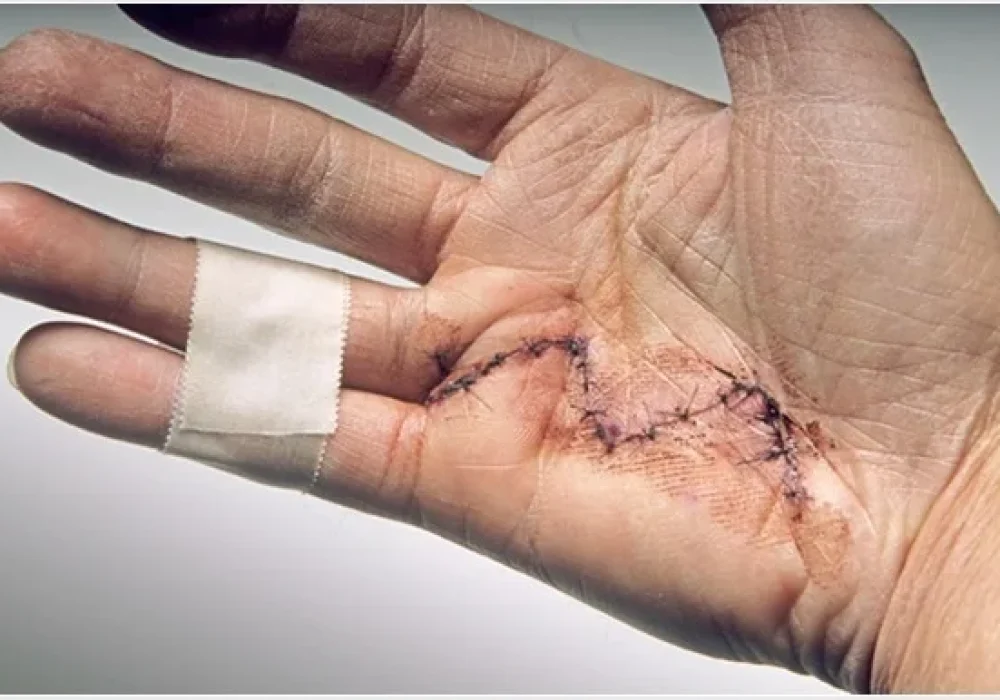
- Z-plasty rearranges skin to lengthen contracted areas.
- Skin grafts may be needed to cover defects after release.
Osteotomy
- Bone cutting and realignment may be necessary if contracture has caused bony deformity.
Joint Reconstruction or Arthroplasty
- In severe cases, joint replacement or reconstruction may be required.
The Surgical Procedure
- Performed under general anesthesia.
- Incisions are made to access contracted tissues.
- Tight structures are released or lengthened.
- Careful preservation of neurovascular structures.
- Wound closure and application of splints or casts.
Duration
- Surgery duration varies depending on the complexity but typically ranges from 1 to 4 hours.
Postoperative Care
- Immobilization in a splint or cast to maintain correction.
- Pain management with medications.
- Wound care to prevent infection.
- Early gentle range of motion exercises as advised.
Rehabilitation and Recovery
- Physical therapy is critical to maintain and improve joint mobility.
- Gradual strengthening exercises.
- Use of orthotic devices to support joint position.
- Regular follow-up to monitor progress and prevent recurrence.
- Recovery time varies but may take several months.
Risks and Complications
- Infection
- Bleeding or hematoma
- Nerve or blood vessel injury
- Recurrence of contracture
- Joint stiffness or instability
- Scarring and cosmetic concerns
Prognosis
- Early intervention and comprehensive rehabilitation improve outcomes.
- Most children experience significant improvement in joint motion and function.
- Long-term follow-up is essential to address growth-related changes.
When to See a Doctor
Parents should seek medical advice if their child has:
- Limited joint movement affecting daily activities
- Visible deformity or abnormal posture
- Pain or discomfort around a joint
- Difficulty walking, grasping, or performing age-appropriate tasks
Conclusion
Pediatric contracture release surgery is a valuable option for children with significant joint stiffness and deformity that limit function. Combined with physical therapy and supportive care, surgical release can restore mobility, improve quality of life, and enable children to participate more fully in daily activities. Early diagnosis and treatment are key to preventing long-term disability. If your child has a contracture, consult a pediatric orthopedic specialist to discuss the best treatment plan.