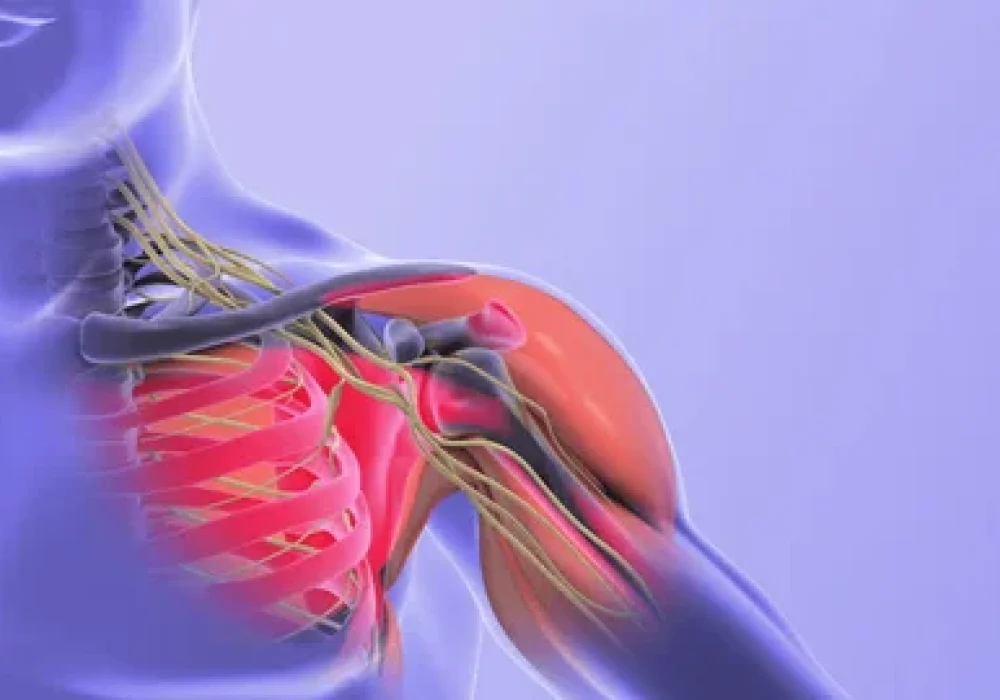
Pediatric nerve grafting is a microsurgical procedure where a segment of nerve, usually harvested from the child’s own body, is used to bridge a gap between two ends of a damaged nerve that cannot be directly sutured without tension. The graft provides a pathway for regenerating nerve fibers (axons) to grow and reinnervate the target muscles or sensory areas.
Causes of Nerve Injuries in Children
- Birth-related injuries: Such as brachial plexus birth palsy caused by traction during delivery.
- Trauma: Falls, fractures, lacerations, or motor vehicle accidents.
- Tumor resection: Removal of tumors involving nerves.
- Infections or inflammation: Leading to nerve damage.
- Congenital anomalies: Resulting in nerve defects.
Indications for Pediatric Nerve Grafting
Nerve grafting is indicated when:
- There is a nerve gap too large for direct repair.
- The nerve injury involves segmental loss or severe scarring.
- Previous nerve repair has failed or is not feasible.
- Functional impairment affects limb movement or sensation.
Types of Nerve Grafts Used in Children
1. Autografts
- The most common type of graft in pediatric patients.
- Donor nerves are usually sensory nerves such as the sural nerve (from the leg) or the medial antebrachial cutaneous nerve (from the forearm).
- Advantages include excellent compatibility and no risk of rejection.
- Potential donor site numbness is usually well tolerated.
2. Allografts
- Donor nerve tissue from cadaveric sources.
- Used less commonly in children due to concerns about immune response and long-term outcomes.
- Processed to reduce immunogenicity.
3. Synthetic Nerve Conduits
- Artificial tubes used for small nerve gaps.
- Limited use in large or complex injuries.
The Pediatric Nerve Grafting Procedure
Preoperative Evaluation
- Comprehensive clinical examination assessing motor and sensory deficits.
- Electrophysiological studies (nerve conduction studies and electromyography) to evaluate nerve function.
- Imaging such as ultrasound or MRI to assess nerve injury and plan surgery.
Surgical Steps
- Anesthesia: General anesthesia is used for pediatric patients.
- Exposure: The injured nerve is exposed through a small incision.
- Debridement: Damaged nerve ends are trimmed to healthy tissue.
- Harvesting the Graft: A suitable donor nerve segment is harvested with care to minimize donor site morbidity.
- Graft Placement: The nerve graft is microsurgically sutured to the proximal and distal ends of the injured nerve using fine sutures under a microscope.
- Closure: The surgical site is closed in layers.
Duration
- The surgery duration varies but typically lasts 2 to 4 hours depending on the complexity.
Recovery and Rehabilitation in Children
- Nerve regeneration occurs at approximately 1 to 3 millimeters per day.
- Children often have better nerve regeneration potential compared to adults.
- Physical and occupational therapy are essential to maintain joint mobility, prevent muscle atrophy, and promote functional recovery.
- Sensory re-education may be incorporated as the nerve regenerates.
- Regular follow-up is important to monitor progress and address complications.
Risks and Complications
- Infection
- Donor site numbness or discomfort
- Graft failure or poor nerve regeneration
- Neuroma formation (painful nerve scar)
- Persistent weakness or sensory loss
Prognosis
- Pediatric patients generally have better outcomes due to greater nerve plasticity and regenerative capacity.
- Early surgical intervention improves the chances of functional recovery.
- Long-term follow-up is necessary to assess growth-related changes and functional outcomes.
When to See a Doctor
Parents should seek medical evaluation if their child has:
- Weakness or paralysis of a limb after injury or birth trauma
- Loss of sensation or abnormal sensations
- Muscle wasting or deformity
- Difficulty performing age-appropriate motor tasks
Conclusion
Pediatric nerve grafting is a critical surgical option for repairing complex nerve injuries in children. By bridging nerve gaps and facilitating nerve regeneration, this procedure helps restore motor and sensory function, supporting normal growth and development. Early diagnosis, expert surgical care, and dedicated rehabilitation are essential for optimal outcomes. If your child has sustained a nerve injury, consult a pediatric orthopedic or nerve specialist promptly to discuss the best treatment options.