What Is Pediatric Tendon Transfer?
Tendon transfer surgery involves detaching a tendon from its original muscle and reattaching it to a different bone or tendon to restore a lost movement. In children, this technique is used to compensate for muscle weakness or paralysis by utilizing muscles that have retained strength and function. The transferred tendon takes over the role of the paralyzed muscle, allowing the child to regain specific movements such as grasping, walking, or joint stabilization.
Indications for Pediatric Tendon Transfers
Pediatric tendon transfers are indicated in conditions such as:
- Cerebral palsy: To improve hand function or correct foot deformities.
- Brachial plexus birth palsy: To restore shoulder, elbow, or hand movements.
- Peripheral nerve injuries: When nerve repair alone is insufficient.
- Congenital deformities: Such as clubfoot or congenital hand anomalies.
- Muscular dystrophies and other neuromuscular disorders: To improve function.
- Post-traumatic paralysis or muscle loss.
Goals of Tendon Transfer Surgery
- Restore specific lost movements.
- Improve joint stability.
- Enhance functional abilities such as grasp, release, or walking.
- Prevent or correct deformities.
- Improve overall quality of life.
Preoperative Evaluation
- Detailed clinical examination to assess muscle strength, joint range of motion, and functional deficits.
- Electromyography (EMG) and nerve conduction studies to evaluate muscle and nerve function.
- Imaging studies such as X-rays or MRI to assess bone and soft tissue anatomy.
- Functional assessment to determine the most appropriate tendon transfer.
Common Tendon Transfers in Pediatrics
1. Tendon Transfers for Upper Limb
- Biceps to triceps transfer: To restore elbow extension in brachial plexus injuries.
- Pronator teres to extensor carpi radialis transfer: To restore wrist extension.
- Flexor carpi ulnaris to extensor digitorum communis transfer: To improve finger extension.
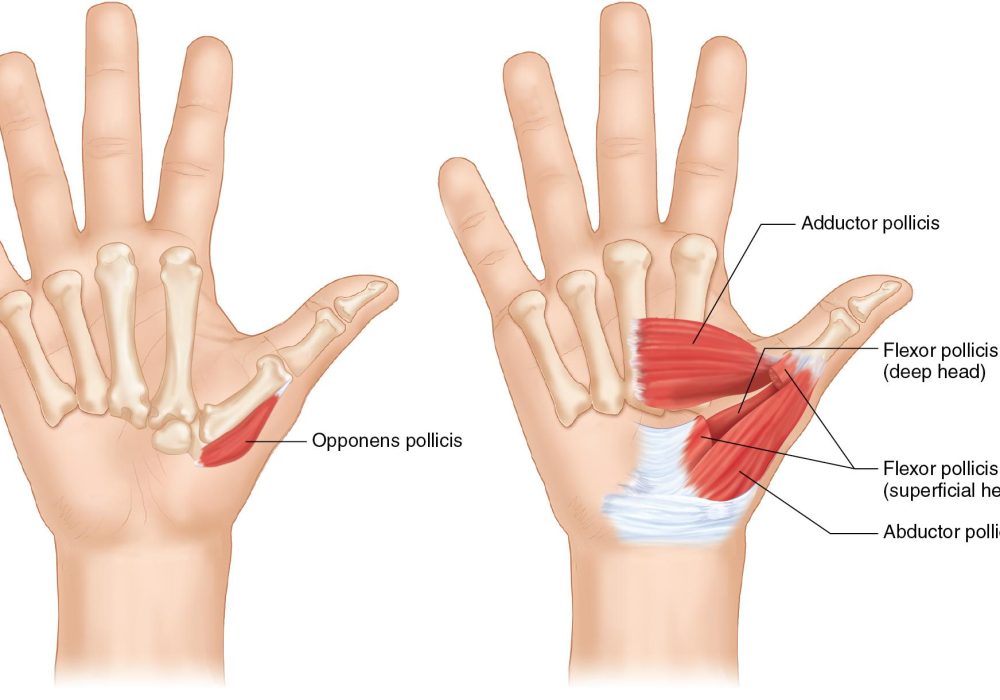
- Opponensplasty: Using tendons like the palmaris longus to restore thumb opposition.
2. Tendon Transfers for Lower Limb
- Tibialis posterior to dorsum of foot: To correct foot drop.
- Peroneus longus to tibialis anterior transfer: To improve ankle dorsiflexion.
- Hamstring transfers: To improve knee stability or correct deformities.
- Achilles tendon lengthening combined with transfers: To correct equinus deformity.
The Tendon Transfer Procedure
Surgical Steps
- Anesthesia: General anesthesia is administered.
- Exposure: Incisions are made to access the donor and recipient tendons.
- Detachment: The donor tendon is carefully detached from its original insertion.
- Mobilization: The tendon is mobilized to reach the new insertion site without tension.
- Attachment: The tendon is sutured to the recipient tendon or bone using strong sutures.
- Tensioning: Proper tension is applied to ensure optimal function.
- Closure: Incisions are closed, and the limb is immobilized.
Duration
- Surgery duration varies depending on the complexity but typically ranges from 1 to 3 hours.
Postoperative Care
- Immobilization in a cast or splint to protect the transfer and maintain position.
- Pain management with medications.
- Wound care to prevent infection.
- Early monitoring for complications.
Rehabilitation and Recovery
- Physical therapy begins after immobilization is removed, focusing on range of motion and strengthening.
- Occupational therapy may be needed for upper limb transfers to improve fine motor skills.
- Gradual return to functional activities.
- Recovery time varies but functional improvement is often seen within months.
Risks and Complications
- Infection
- Tendon rupture or failure
- Donor site weakness or functional loss
- Joint stiffness or contracture
- Over- or under-correction of movement
- Scar formation
Prognosis
- Pediatric patients generally have good outcomes due to their healing potential and adaptability.
- Success depends on careful patient selection, surgical technique, and adherence to rehabilitation.
- Tendon transfers can significantly improve function and quality of life.
When to See a Doctor
Parents should seek medical advice if their child has:
- Persistent weakness or paralysis affecting daily activities
- Joint deformities or contractures
- Difficulty with grasping, walking, or other motor tasks
- Pain or swelling after surgery
Conclusion
Pediatric tendon transfer surgery is a valuable tool in restoring movement and function in children with neuromuscular impairments or nerve injuries. By rerouting functioning tendons to compensate for paralyzed muscles, this procedure can dramatically improve mobility, hand function, and independence. Early evaluation and treatment by a pediatric orthopedic or hand surgeon, combined with dedicated rehabilitation, are essential for optimal outcomes. If your child has movement difficulties due to muscle weakness or paralysis, consult a specialist to explore whether tendon transfer surgery is appropriate.