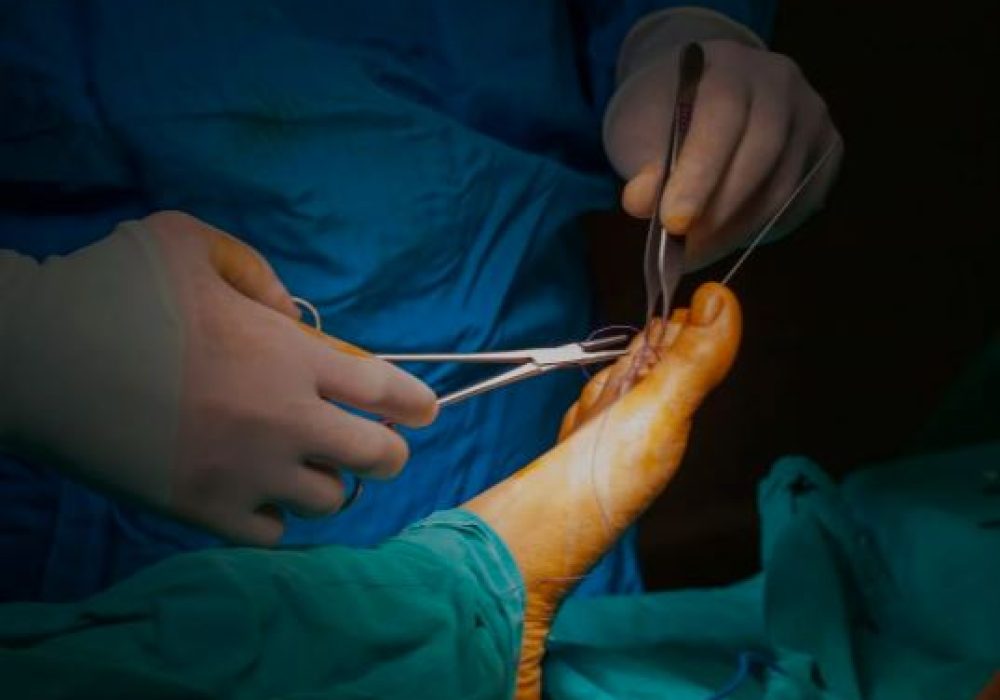
Neuroma surgery is a procedure performed to treat painful nerve growths, known as neuromas, that develop after injury or chronic irritation of a nerve. A neuroma forms when a cut or damaged nerve tries to heal but ends up producing an irregular bundle of nerve fibers and scar tissue instead of reconnecting smoothly. This abnormal growth can become very sensitive, leading to sharp, burning pain, tingling, or electric shock-like sensations when touched or compressed.
Neuromas are most common in the hand, foot, or areas where nerves are prone to injury, such as after trauma, surgery, or repetitive strain. One of the best-known examples is Morton’s neuroma, which occurs between the toes in the foot. However, neuromas can occur anywhere in the body where a peripheral nerve is damaged.
Neuromas develop when the protective sheath of a nerve is injured and regenerating fibers cannot reconnect properly. Instead, they grow in a disorganized way, creating a painful swelling. Triggers include:
Surgery is typically considered when non-surgical methods—such as rest, footwear modifications, orthotics, medications, physiotherapy, steroid injections, or nerve blocks—do not provide lasting relief. Indications include:
The goal of neuroma surgery is to remove or reconstruct the painful nerve segment and reduce the risk of recurrence. Several approaches are used depending on the location and severity of the neuroma:
Recovery time varies depending on the site of surgery and whether reconstruction (such as grafting) was performed. Some patients regain full function within weeks, while others may need several months.
Neuroma surgery is generally safe, but potential risks include:
Careful surgical planning and modern techniques such as TMR or RPNI have improved long-term success rates and reduced complications.
The majority of patients experience significant pain relief and improved function after neuroma surgery. Success rates vary depending on the nerve involved, duration of symptoms, and presence of underlying conditions. In cases like Morton’s neuroma, outcomes are generally very good. For complex traumatic neuromas, results can be more variable, but advances in nerve repair and biologic reconstruction have enhanced prognosis.
Leaving a painful neuroma untreated can lead to chronic pain, reduced mobility, and secondary issues such as altered gait, joint strain, or impaired hand function. Early recognition of symptoms and timely surgical management prevent worsening disability and improve quality of life.
Chat With Me