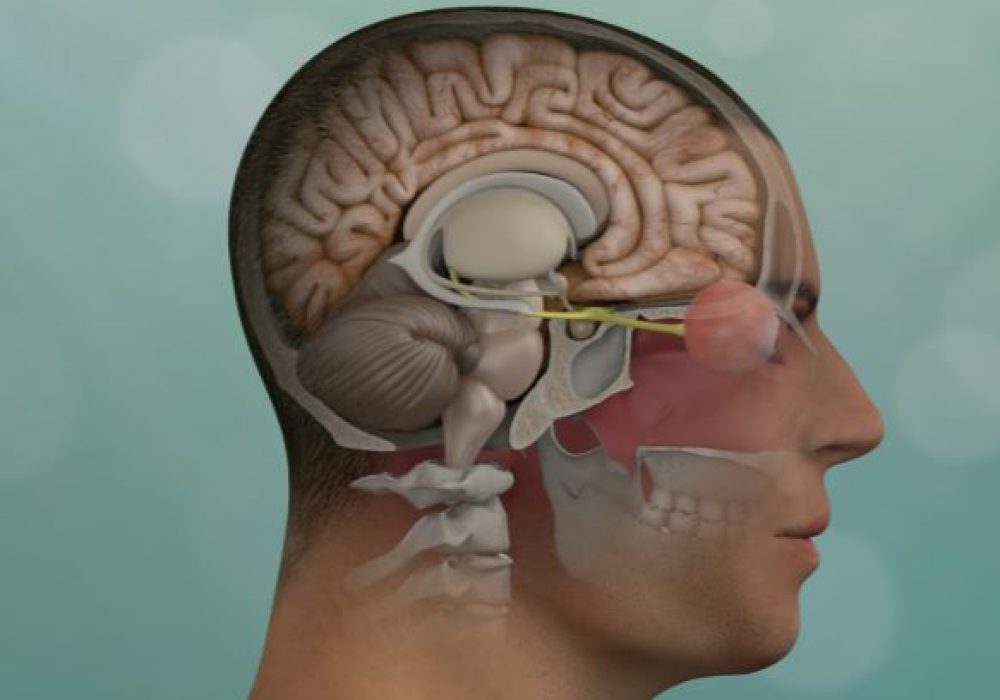
Nerve tumor removal is a surgical procedure performed to excise abnormal growths that develop in or around the peripheral nerves. These tumors may be benign (non-cancerous) or, less commonly, malignant (cancerous). Because nerves are responsible for transmitting signals between the brain, spinal cord, and body, tumors in these areas can interfere with nerve function, causing pain, weakness, numbness, or functional impairment. Surgery aims to remove the tumor while preserving as much normal nerve function as possible.
Most nerve tumors occur sporadically without a clear cause. However, some are linked to genetic conditions such as:
The presentation of a nerve tumor depends on its size, location, and whether it is pressing on nearby structures. Common symptoms include:
Not all nerve tumors require immediate surgery. Small, asymptomatic, and slow-growing tumors may simply be monitored with imaging. Surgery is considered when:
The principle of nerve tumor removal is to remove the tumor completely while preserving nerve integrity and function. The exact technique depends on the type and location of the tumor:
Recovery after nerve tumor removal varies depending on the complexity of the procedure and the nerve involved.
Most patients are able to return to normal activities after a period of rest, though heavy or repetitive strain should be avoided initially.
Although many patients do well after surgery, potential complications include:
Careful preoperative imaging, skilled microsurgical techniques, and postoperative rehabilitation help minimize these risks.
Identifying nerve tumors early improves treatment options and outcomes. Small benign tumors are easier to remove without damaging the nerve, while early recognition of malignant tumors allows timely treatment before they spread. Patients should seek evaluation for any unexplained lump, persistent nerve pain, or neurological changes.
Chat With Me