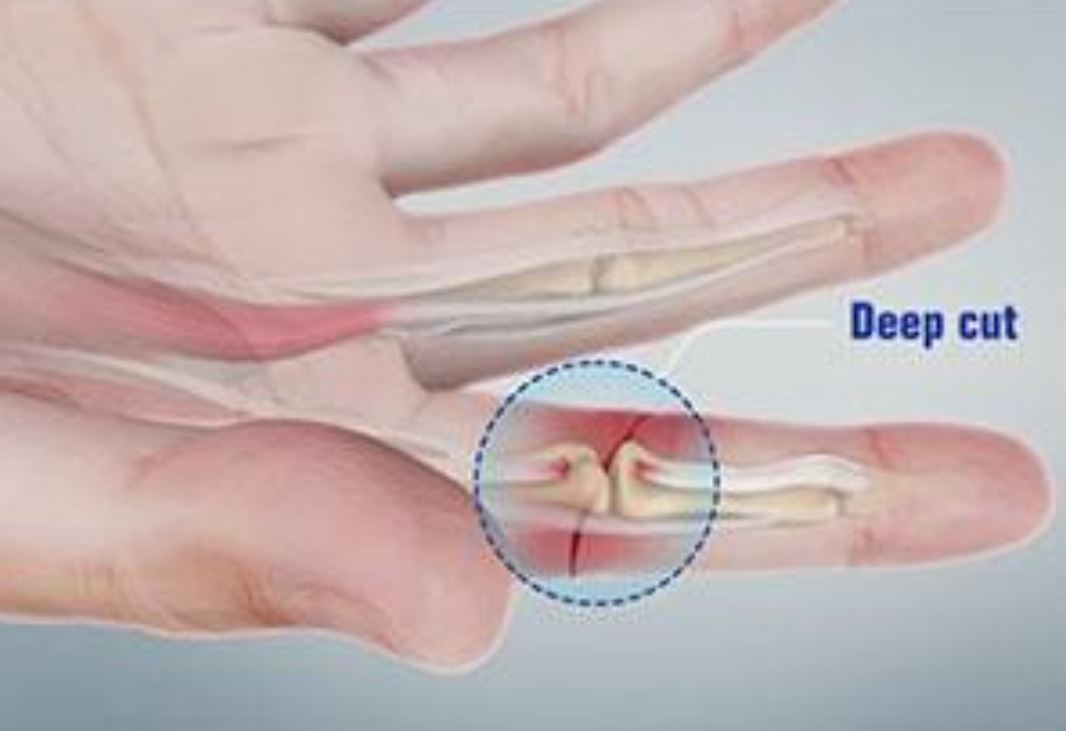
A Zone II flexor tendon injury involves damage to the flexor tendons within a specific anatomical area of the hand, leading to impaired ability to bend the finger. Understanding the anatomy, mechanism of injury, and appropriate management is essential to ensure optimal recovery.
The flexor tendons in the hand allow the fingers to bend and grip objects. These include:
Damage in this area often disrupts the delicate balance between tendon gliding and pulley function, leading to complications like adhesions, stiffness, or loss of finger motion.
The most common causes include:
Patients with a Zone II flexor tendon injury may present with:
The primary goal of treatment is to restore tendon continuity, gliding motion, and hand function.
Zone II injuries are prone to complications, especially if diagnosis or treatment is delayed. Common issues include:
Zone II flexor tendon injuries, often referred to as injuries in “no man’s land,” represent some of the most technically demanding injuries in hand surgery. The close proximity of flexor tendons, pulleys, and tendon sheaths makes repair and rehabilitation complex. Early diagnosis, meticulous surgical repair, and strict adherence to structured rehabilitation protocols are critical to restoring optimal function. While challenges such as adhesions, stiffness, and re-rupture exist, modern techniques and improved therapy protocols have significantly improved outcomes, allowing many patients to regain useful hand function.
Chat With Me