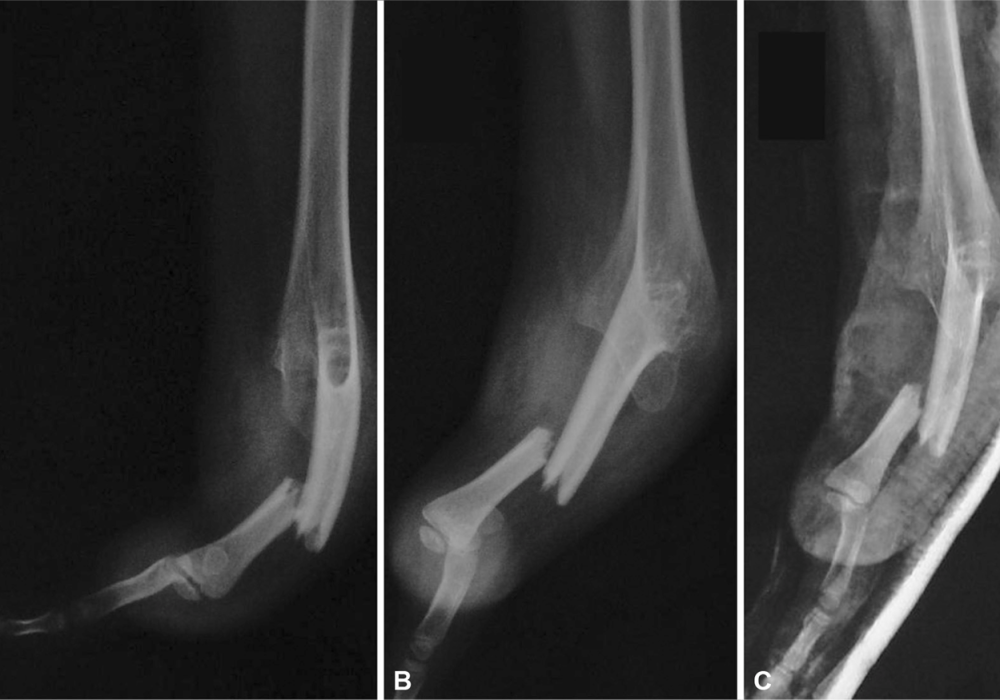
Fused forearm bones, medically known as radioulnar synostosis, is a rare congenital or acquired condition characterized by the abnormal fusion of the two long bones in the forearm: the radius and the ulna. This fusion restricts the normal rotational movement of the forearm, leading to functional limitations and sometimes cosmetic concerns. Understanding the causes, symptoms, diagnosis, and treatment options for fused forearm bones is essential for patients, caregivers, and healthcare professionals.
The forearm consists of two parallel bones: the radius and the ulna. These bones work together to allow a wide range of movements, including:
The radius and ulna are connected by a fibrous sheet called the interosseous membrane and articulate at both the elbow and wrist joints. This unique structure enables the forearm to rotate smoothly, which is crucial for many daily activities such as turning a doorknob, using utensils, or typing.
Synostosis refers to the abnormal fusion of two bones that are normally separate. In the case of the forearm, radioulnar synostosis occurs when the radius and ulna are joined by bone tissue, either partially or completely, along some portion of their length. This fusion prevents the bones from moving independently, severely limiting the rotational movement of the forearm.
Congenital radioulnar synostosis is a rare birth defect resulting from the failure of segmentation between the radius and ulna during embryonic development. Normally, the two bones develop separately from a common cartilaginous precursor. If this separation does not occur properly, the bones remain fused.
This condition may occur sporadically or be associated with genetic syndromes such as:
Acquired synostosis can result from:
The primary symptom of fused forearm bones is the loss of forearm rotation. Patients typically present with:
In congenital cases, the condition is often noticed in early childhood when the child fails to develop normal forearm movements.
A thorough physical examination is essential. The doctor will assess:
The inability to rotate the forearm can significantly affect daily activities, including:
Children with congenital synostosis may face challenges in school and social interactions due to functional limitations.
Treatment depends on the severity of the condition, the degree of functional impairment, and patient age.
Surgery is considered when the fusion causes significant disability or pain. Surgical options include:
The prognosis varies:
Early diagnosis and intervention improve functional outcomes and quality of life.
Patients and families can take several steps to manage the condition effectively:
Fused forearm bones or radioulnar synostosis is a challenging condition that affects forearm rotation and function. While congenital cases are often permanent, acquired synostosis may be amenable to surgical correction. Early diagnosis, appropriate management, and rehabilitation are key to optimizing outcomes. If you or a loved one is affected by this condition, consulting with an orthopedic specialist experienced in upper limb disorders is essential for personalized care.
Chat With Me