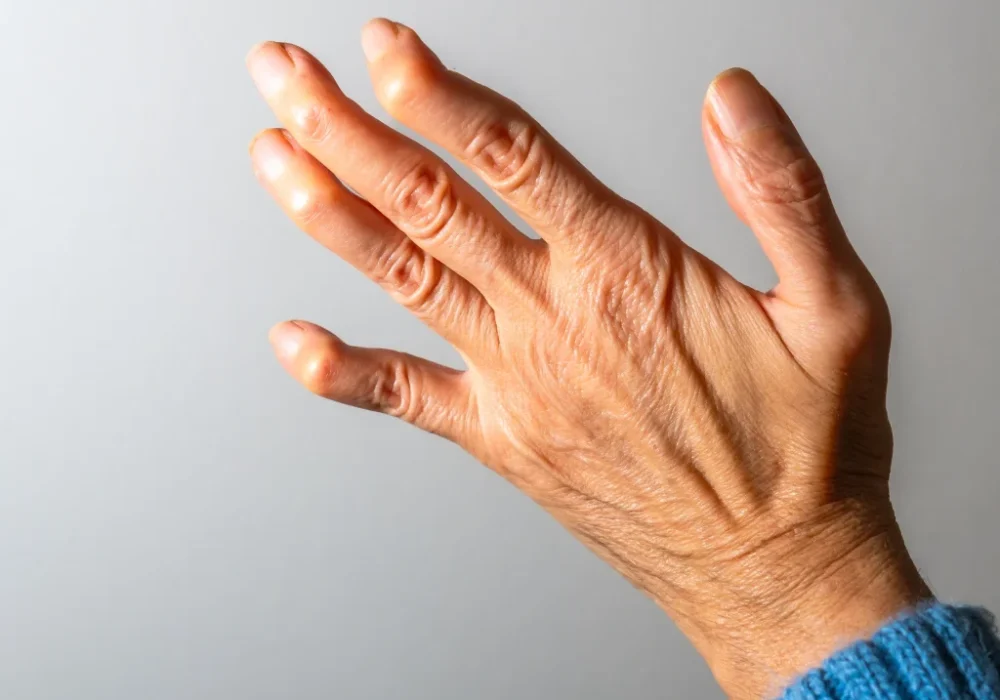
Fingers play a crucial role in our daily lives, enabling us to perform a wide range of activities from simple tasks like writing and typing to complex actions such as playing musical instruments or performing delicate surgical procedures. When fingers become deformed due to injury, congenital conditions, arthritis, or other medical issues, it can significantly impact hand function and quality of life. Fortunately, advances in medical science and surgical techniques have made the correction of deformed fingers more effective and accessible than ever before.
Finger deformities can arise from various causes, including trauma, congenital abnormalities, infections, inflammatory diseases, and degenerative conditions. Some common types of finger deformities include:
Each deformity presents unique challenges and requires a tailored approach for correction.
Finger injuries such as fractures, dislocations, tendon lacerations, and crush injuries can lead to deformities if not properly treated. Scar tissue formation, improper healing, or nerve damage can result in limited motion or abnormal finger positioning.
Some individuals are born with finger deformities due to genetic factors or developmental issues during pregnancy. These deformities may affect one or multiple fingers and can range from mild to severe.
Conditions like rheumatoid arthritis cause chronic inflammation of the joints, leading to erosion of cartilage and bone, joint instability, and deformities. Osteoarthritis, on the other hand, results from wear and tear of the joint cartilage, causing pain and deformity over time.
Severe infections in the finger joints or soft tissues can destroy normal anatomy and lead to deformities if not promptly treated.
Deformed fingers can cause a variety of symptoms including:
The impact of finger deformities extends beyond physical limitations; it can affect emotional well-being and social interactions.
A thorough clinical examination by a hand specialist is essential to diagnose the type and extent of finger deformity. Diagnostic tools may include:
Accurate diagnosis helps in planning the most appropriate treatment strategy.
The treatment of finger deformities depends on the underlying cause, severity, and patient’s functional needs. Options range from conservative management to surgical correction.
While non-surgical treatments can be effective for mild deformities or as adjuncts to surgery, they may not fully restore function in severe cases.
Surgery is often required to correct significant deformities, restore alignment, and improve hand function. Common surgical procedures include:
Damaged tendons causing deformity, such as in mallet finger or boutonniere deformity, can be repaired or reconstructed using grafts or transfers to restore finger extension and flexion.
In cases of severe joint damage, fusing the joint in a functional position can relieve pain and provide stability, though it sacrifices joint motion.
Artificial joint implants can replace damaged joints, preserving some motion and improving function, especially in arthritis-related deformities.
For contractures like Dupuytren’s disease, surgical release or removal of thickened tissue can straighten the fingers.
Cutting and realigning bones to correct angular deformities such as clinodactyly.
In congenital deformities or trauma cases, skin grafts or flaps may be needed to cover defects and improve finger contour.
Successful correction of finger deformities requires diligent postoperative care including:
Rehabilitation is critical to regain strength, flexibility, and dexterity.
Recent advances have improved outcomes for patients with finger deformities:
If you experience persistent finger pain, deformity, or loss of function, it is important to consult a hand specialist promptly. Early intervention can prevent progression and improve treatment success.
Correction of deformed fingers is a complex but rewarding field that combines medical knowledge, surgical skill, and rehabilitation expertise. Whether caused by injury, congenital issues, or disease, finger deformities can be effectively managed to restore function, reduce pain, and enhance quality of life. If you or a loved one is struggling with finger deformities, professional evaluation and treatment can make a significant difference.
Chat With Me