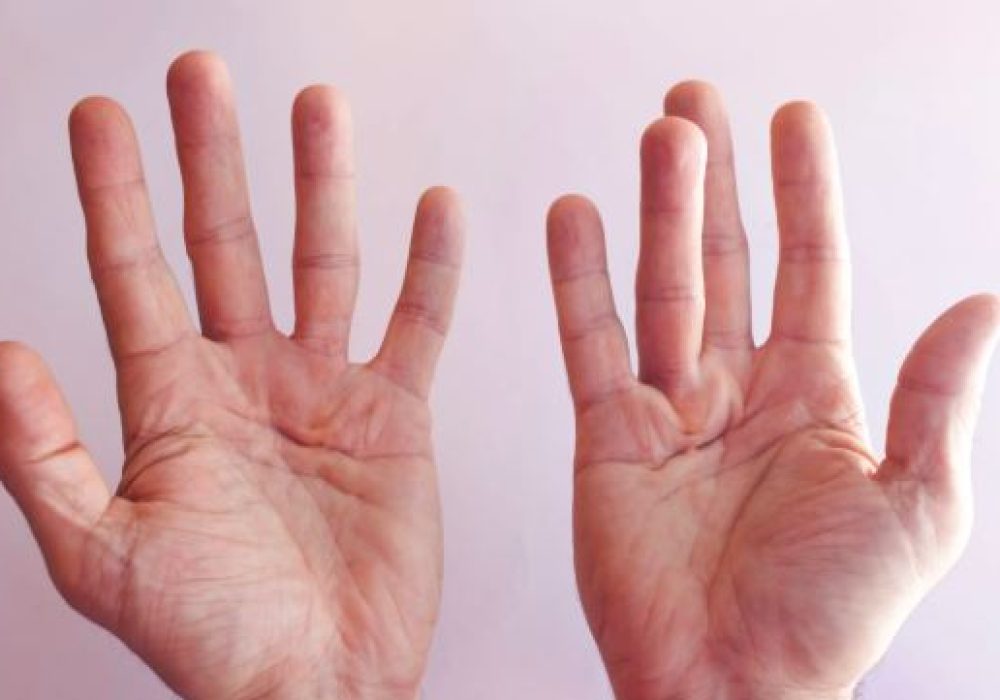
The hand and fingers are essential for nearly every activity of daily life, from holding objects to writing and performing delicate tasks. When a finger becomes stiff or develops a contracture (permanent tightening of soft tissues leading to bending or restriction of movement), it significantly affects hand function, strength, and dexterity. Surgical procedures such as contracture release and stiff finger release are performed to restore mobility, reduce pain, and improve functional use of the hand.
Surgical contracture or stiff finger release is considered when:
The specific method of release depends on the underlying cause and severity:
These procedures may be performed under regional or general anesthesia and are often combined with intraoperative physiotherapy to assess range of motion immediately.
Like any surgery, contracture and stiff finger release carry some risks:
With proper surgical technique and adherence to rehabilitation, most patients achieve significant improvement.
Long-standing contractures and stiffness are more difficult to treat due to irreversible joint changes and muscle atrophy. Early surgical release offers better outcomes, especially when combined with physiotherapy and preventive measures such as splinting and scar care.
Contracture and stiff finger release are vital surgical procedures aimed at restoring mobility, function, and appearance in patients whose hands are restricted by scarring, trauma, or disease. While conservative treatments are always considered first, surgery becomes essential when deformity or stiffness severely impairs daily activities. Modern surgical techniques, combined with structured postoperative rehabilitation, provide excellent outcomes. Timely intervention not only restores hand function but also helps patients regain independence, confidence, and quality of life.
Chat With Me