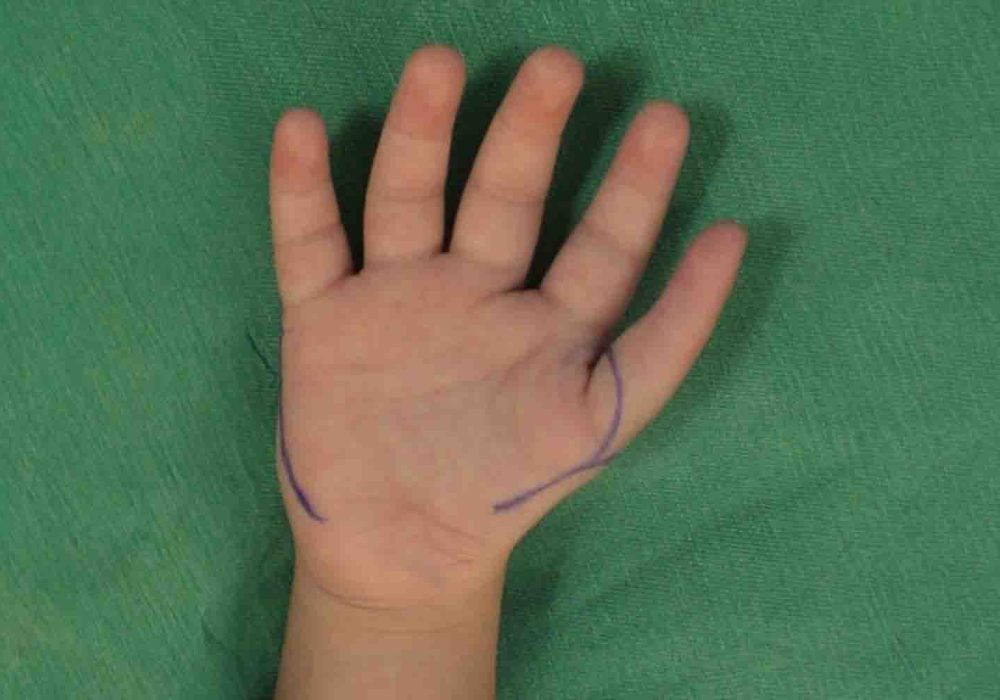
The human thumb plays a crucial role in hand function, allowing for grasp, pinch, and fine motor activities that define the uniqueness of human dexterity. When the thumb is absent or underdeveloped, the ability to perform everyday tasks such as holding, writing, or buttoning clothes is significantly affected. Thumb hypoplasia refers to the condition where the thumb is smaller than normal, poorly developed, or entirely absent. It is one of the most common congenital anomalies of the upper limb and can range in severity from mild underdevelopment to complete absence.
During fetal development, the hand and fingers form between the fourth and eighth weeks of pregnancy. Any disruption in this process can lead to abnormal thumb formation. The thumb normally has unique features, including opposability, shorter length compared to fingers, and a strong muscular and tendon system. In thumb hypoplasia, these structures may be incomplete, malformed, or missing.
The exact cause of thumb hypoplasia is not always known. However, several factors may contribute:
Radial longitudinal deficiency (radial club hand): Where the radius bone in the forearm is absent or underdeveloped.
VACTERL association: A group of anomalies involving vertebrae, heart, trachea, esophagus, kidneys, and limbs.
Holt-Oram syndrome: Involving heart defects and upper limb malformations.
Fanconi anemia: A rare genetic condition affecting bone marrow and physical development.
Because thumb hypoplasia may indicate an underlying syndrome, thorough evaluation is essential.
The treatment of absent or small thumb depends on the severity of hypoplasia, functional impairment, and presence of associated conditions. The primary goal is to provide the child with a strong, functional, and opposable thumb for daily activities.
Surgery is usually performed between 1–2 years of age, when hand growth is still adaptable and before the child develops complex motor patterns.
With proper treatment, most children with thumb hypoplasia can achieve excellent functional outcomes. Pollicization, in particular, provides a highly effective and reliable thumb substitute, enabling near-normal use of the hand. Children usually adapt quickly and develop good hand function, allowing participation in school, play, and daily life without significant limitations.
There are no specific preventive measures, as thumb hypoplasia is a congenital condition. However, early detection, appropriate genetic counseling, and timely surgical intervention can minimize long-term disability and improve quality of life.
Absent or small thumb (thumb hypoplasia) is a congenital condition that significantly impacts hand function and overall quality of life. Ranging from a mildly underdeveloped thumb to complete absence, it may occur in isolation or as part of broader syndromes. Diagnosis involves careful clinical and radiological evaluation, and treatment is tailored to severity. While mild cases may only need observation, severe forms often require surgical intervention such as reconstruction or pollicization. With early recognition and appropriate management, children can achieve excellent functional and cosmetic outcomes, allowing them to live active, independent lives.
Chat With Me