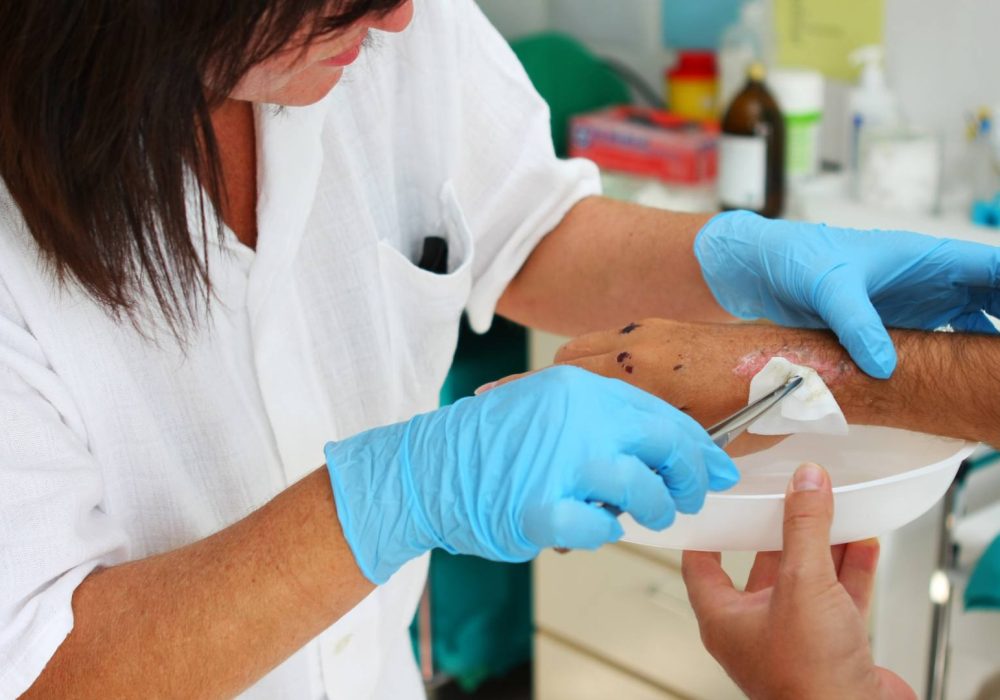
In surgical practice, some of the most important procedures for treating infections and wounds are debridement, incision, and drainage. These techniques aim to remove infected, dead, or damaged tissue, relieve pressure caused by pus accumulation, and promote healing of the affected area. They are often life-saving in severe infections and play a vital role in preserving function, especially in delicate areas like the hand, foot, or face.
These procedures are recommended in a wide range of clinical situations:
Although generally safe and highly effective, potential risks include:
Debridement, incision, and drainage are cornerstone surgical procedures in the management of infected and necrotic wounds. Debridement removes dead tissue, incision provides access to infection, and drainage eliminates pus and fluids, together creating the right environment for healing. They are especially vital in abscesses, diabetic foot ulcers, and severe soft tissue infections where medical treatment alone is insufficient. With timely surgical intervention, proper antibiotics, and good postoperative care, these procedures restore health, prevent complications, and preserve both life and limb.
Chat With Me