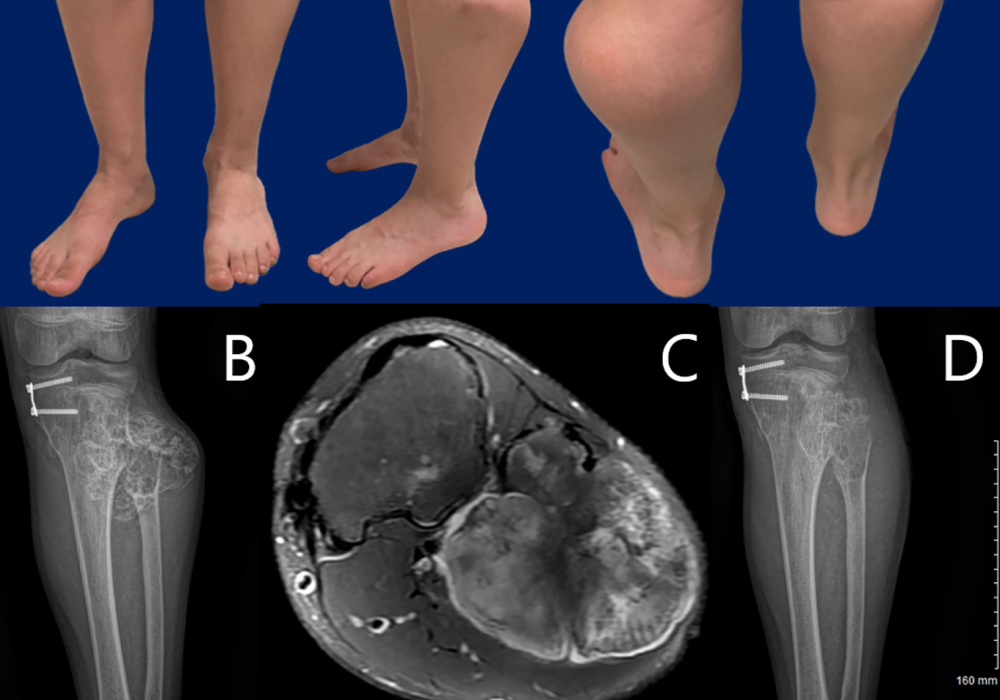
Multiple Exostosis, also known as Hereditary Multiple Osteochondromas (HMO) or Multiple Osteochondromatosis, is a rare genetic disorder characterized by the development of multiple benign bone tumors called osteochondromas or exostoses. These growths typically form near the growth plates of long bones such as the femur, tibia, and humerus, and can lead to various complications including deformities, restricted movement, and in rare cases, malignant transformation.
Multiple Exostosis is a condition where multiple osteochondromas develop on the surface of bones. Osteochondromas are cartilage-capped bony projections that arise from the metaphyseal region of bones during childhood or adolescence. Unlike solitary osteochondromas, which occur as isolated benign tumors, Multiple Exostosis involves numerous such growths, often affecting several bones throughout the body.
The disorder is inherited in an autosomal dominant pattern, meaning a child has a 50% chance of inheriting the condition if one parent carries the mutated gene. The two primary genes implicated in Multiple Exostosis are EXT1 and EXT2, which are responsible for producing proteins involved in the regulation of bone growth.
Multiple Exostosis is caused by mutations in the EXT1 or EXT2 genes. These genes encode enzymes that are essential for the synthesis of heparan sulfate, a molecule that plays a critical role in cell signaling during bone development. When these genes are mutated, the production of heparan sulfate is disrupted, leading to abnormal bone growth and the formation of osteochondromas.
Because the condition is inherited in an autosomal dominant manner, only one copy of the mutated gene is sufficient to cause the disorder. However, the severity and number of exostoses can vary widely even among members of the same family, indicating that other genetic or environmental factors may influence the disease expression.
The symptoms of Multiple Exostosis usually become apparent during childhood or early adolescence, coinciding with periods of rapid bone growth. Common clinical features include:
Diagnosing Multiple Exostosis involves a combination of clinical evaluation, family history, and imaging studies. Key diagnostic steps include:
There is currently no cure for Multiple Exostosis, but treatment focuses on managing symptoms and preventing complications. The approach depends on the severity of the condition and the presence of any functional impairments.
Surgery may be necessary in cases where osteochondromas cause significant pain, deformity, or functional limitations. Common surgical procedures include:
The prognosis for individuals with Multiple Exostosis varies depending on the number and location of osteochondromas and the presence of complications. Most patients lead normal lives with appropriate management, although some may experience chronic pain or functional limitations.
Regular follow-up is essential to monitor for potential complications, especially malignant transformation. Early detection and treatment of chondrosarcoma significantly improve outcomes.
Living with Multiple Exostosis can present physical and emotional challenges. Supportive care and patient education are crucial components of management. Patients and families should be informed about:
Multiple Exostosis is a complex genetic disorder characterized by the growth of multiple benign bone tumors that can cause pain, deformities, and functional impairments. Early diagnosis, regular monitoring, and appropriate treatment are essential to manage symptoms and prevent complications. With advances in medical research and supportive care, individuals with Multiple Exostosis can achieve a good quality of life.
If you or a loved one has been diagnosed with Multiple Exostosis, consult with a specialist in orthopedic genetics or a bone tumor expert to develop a comprehensive care plan tailored to your needs.
Chat With Me