The elbow is a vital joint that enables arm movement and flexibility, allowing us to lift, throw, write, and perform numerous daily tasks. When this joint becomes injured or diseased, it can cause severe pain, stiffness, and restricted motion. Elbow Surgery in Hyderabad offers specialized treatments for various elbow disorders and injuries, ranging from fractures and ligament tears to arthritis and nerve compression. With advanced surgical techniques and experienced orthopedic specialists, patients can regain mobility, reduce pain, and restore arm function effectively.
The elbow joint is a hinge-type synovial joint formed by three bones — the humerus (upper arm bone), radius, and ulna (forearm bones). It allows two main movements: flexion-extension (bending and straightening) and rotation (turning the palm up or down).
Several ligaments, tendons, muscles, and nerves support the elbow and ensure smooth motion. The ulnar collateral ligament, radial collateral ligament, and annular ligament provide stability, while the tendons attach muscles that control movement. The ulnar nerve, passing close to the elbow, can sometimes get compressed, leading to pain or numbness. Because of its complex structure and constant use, the elbow is prone to injuries and degenerative changes that may require surgical treatment.
Various conditions can lead to elbow pain or dysfunction, eventually requiring surgical intervention. Common causes include:
Traumatic Injuries: Falls, accidents, or sports injuries can result in fractures or dislocations.
Arthritis: Osteoarthritis or rheumatoid arthritis may wear down cartilage, causing pain and stiffness.
Tendon or Ligament Tears: Repetitive stress or sudden trauma can tear tendons or ligaments, leading to instability.
Nerve Compression: Conditions like cubital tunnel syndrome can compress the ulnar nerve, causing numbness and weakness.
Tennis Elbow (Lateral Epicondylitis): Overuse of the forearm muscles leads to pain on the outer elbow.
Golfer’s Elbow (Medial Epicondylitis): Pain occurs on the inner side due to tendon inflammation.
Joint Deformities or Bone Spurs: These may develop from chronic wear or injury.
Patients with elbow problems may experience a range of symptoms, depending on the cause and severity. Common symptoms include:
Persistent pain or swelling around the elbow joint
Stiffness or limited movement while bending or straightening the arm
Clicking, locking, or instability during motion
Numbness or tingling in the fingers, especially the ring and little fingers
Weakness or inability to grip objects
Visible deformity or bruising after injury
When these symptoms interfere with daily activities or fail to improve with rest, medical evaluation is essential. Specialists offering Elbow Surgery in Hyderabad can determine whether surgery is needed.
Diagnosing elbow conditions involves a detailed assessment and imaging studies. Common diagnostic methods include:
Medical History and Physical Examination: The doctor evaluates movement, tenderness, strength, and nerve function.
X-rays: Identify fractures, bone spurs, or joint deformities.
MRI Scan: Provides detailed images of soft tissues such as ligaments, tendons, and cartilage.
CT Scan: Helps evaluate complex fractures or joint surfaces.
Nerve Conduction Tests: Detect nerve compression or damage in conditions like cubital tunnel syndrome.
Accurate diagnosis ensures that the most suitable treatment plan — surgical or non-surgical — is selected.
Treatment depends on the underlying condition, its severity, and the patient’s overall health. It can be divided into non-surgical and surgical approaches.
Medications: Pain relievers and anti-inflammatory drugs to reduce discomfort.
Physiotherapy: Strengthening and stretching exercises to improve flexibility and stability.
Corticosteroid Injections: Provide temporary pain relief in cases of tendonitis or arthritis.
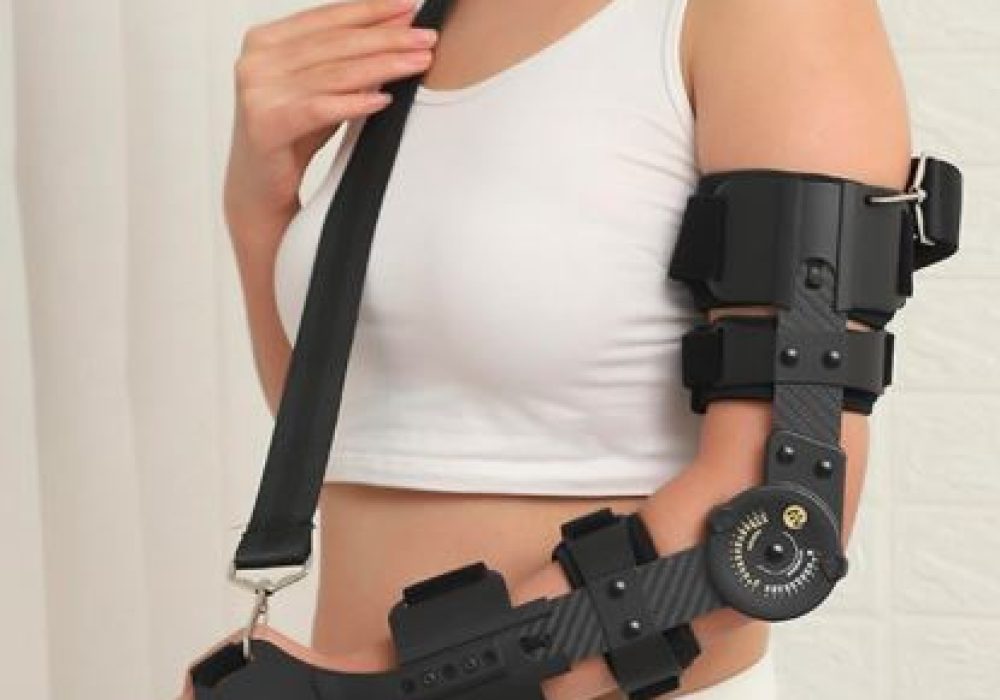
Bracing or Splinting: Stabilizes the joint and prevents overuse.
Activity Modification: Avoiding repetitive or high-impact movements that aggravate symptoms.
When conservative management fails, surgery may be necessary. Elbow Surgery in Hyderabad offers several procedures such as:
Fracture Fixation: Realigning and stabilizing broken bones with screws, plates, or pins.
Ligament Reconstruction: Repairing or replacing torn ligaments for improved stability.
Arthroscopic Surgery: Minimally invasive technique to remove bone spurs, loose bodies, or inflamed tissue.
Tendon Repair: Reattaching or reinforcing torn tendons.
Ulnar Nerve Decompression: Releasing pressure on the ulnar nerve to relieve numbness and pain.
Elbow Joint Replacement (Arthroplasty): Replacing a damaged joint with an artificial implant in severe arthritis cases.
The specific surgical steps depend on the type of condition. In general, elbow surgery involves:
Preoperative Assessment: Includes evaluation, imaging, and anesthesia discussion.
Anesthesia: Local, regional, or general anesthesia is administered based on the procedure.
Surgical Approach: The surgeon makes a small incision or uses arthroscopy to access the affected area.
Repair or Reconstruction: Damaged tissues are repaired, bones are aligned, or implants are placed.
Closure and Dressing: The incision is closed and covered with sterile dressing.
Advanced hospitals performing Elbow Surgery in Hyderabad use minimally invasive techniques that minimize scarring and promote faster recovery.
Recovery after elbow surgery requires careful postoperative management and rehabilitation. Common steps include:
Pain Control: Medications to relieve pain and inflammation.
Immobilization: Temporary splints or slings to protect the elbow during early healing.
Wound Care: Keeping the surgical site clean and dry.
Physical Therapy: Gradual exercises to restore range of motion, strength, and flexibility.
Follow-Up Visits: Regular monitoring to assess healing and remove sutures.
Most patients regain significant improvement within a few weeks to months, depending on the procedure and adherence to physiotherapy.
While elbow surgery is generally safe, potential risks include:
Infection or delayed wound healing
Bleeding or hematoma formation
Nerve or blood vessel injury
Joint stiffness or limited motion
Persistent pain or swelling
Implant loosening (in joint replacements)
Recurrence of symptoms
Choosing an experienced orthopedic or hand surgeon for Elbow Surgery in Hyderabad significantly reduces these risks and ensures optimal outcomes.
Most patients experience excellent recovery following successful surgery and rehabilitation. Pain reduction, improved mobility, and restored joint function are commonly achieved. Minimally invasive techniques and modern implants have improved long-term results, allowing patients to return to normal activities, work, and sports without limitations.
Seek medical attention if you experience:
Persistent or severe elbow pain
Swelling, bruising, or deformity after an injury
Difficulty moving or straightening your arm
Numbness or tingling in your fingers
Pain that does not improve with rest or medication
Early diagnosis and treatment prevent further joint damage and promote quicker recovery.
Distal radius plating is a cornerstone in the surgical management of distal radius fractures, offering stable fixation and enabling early rehabilitation. Proper patient selection, meticulous surgical technique, and comprehensive postoperative care are essential to achieving optimal results. As technology advances, distal radius plating will continue to evolve, improving patient outcomes and quality of life.
Chat With Me