It results from overuse or repetitive strain of the forearm muscles and tendons that attach to the lateral epicondyle of the humerus. While most cases improve with conservative treatment, some patients experience persistent symptoms requiring surgical intervention. Arthroscopic tennis elbow release is a minimally invasive surgical technique used to treat refractory tennis elbow, offering benefits such as smaller incisions, faster recovery, and less postoperative pain.
What Is Tennis Elbow?
Tennis elbow is an overuse injury causing microtears and degeneration of the extensor carpi radialis brevis (ECRB) tendon at its origin on the lateral epicondyle. Despite its name, tennis elbow affects not only tennis players but also individuals engaged in repetitive wrist extension or gripping activities, such as painters, plumbers, and carpenters.
When Is Surgery Needed?
Most patients with tennis elbow respond well to non-surgical treatments, including rest, physical therapy, anti-inflammatory medications, bracing, and corticosteroid injections. Surgery is considered when:
- Symptoms persist for more than 6 to 12 months despite conservative management
- Significant pain limits daily activities and work
- There is evidence of tendon degeneration or partial tearing on imaging studies
- Other causes of lateral elbow pain have been ruled out
What Is Arthroscopic Tennis Elbow Release?
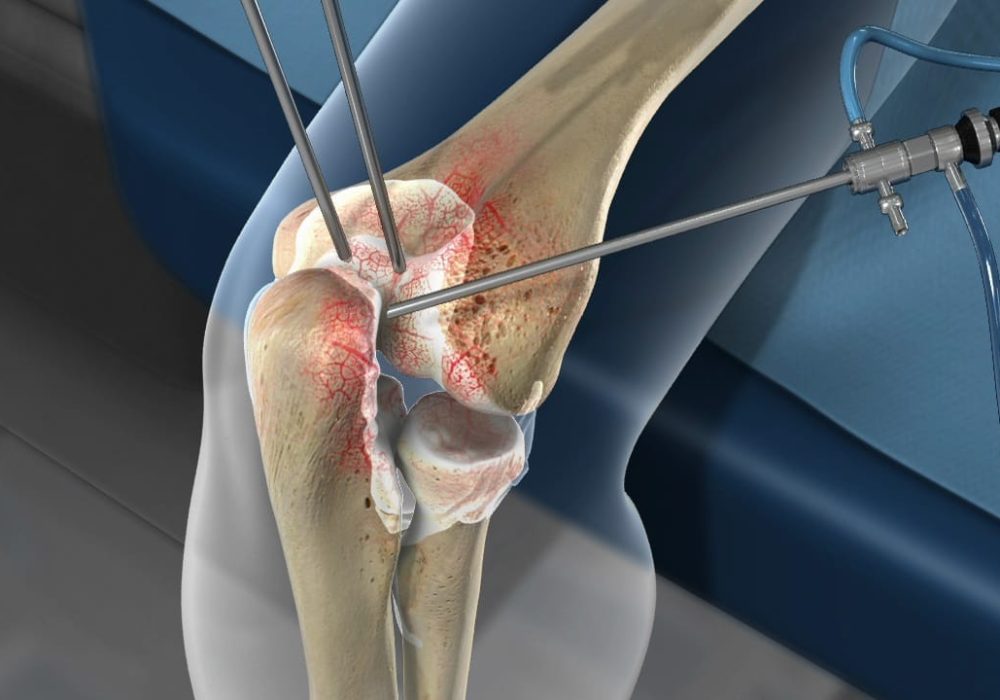
Arthroscopic tennis elbow release is a minimally invasive procedure performed using an arthroscope—a small camera inserted into the elbow joint through tiny incisions. The surgeon visualizes the affected tendon and surrounding structures on a monitor and uses specialized instruments to release the diseased portion of the ECRB tendon, remove inflamed tissue, and stimulate healing.
Advantages of Arthroscopic Release
- Smaller Incisions: Reduced scarring and better cosmetic outcomes.
- Less Postoperative Pain: Compared to open surgery.
- Faster Recovery: Early mobilization and quicker return to activities.
- Better Visualization: Direct inspection of the joint and adjacent structures.
- Lower Risk of Complications: Reduced risk of infection and nerve injury.
The Arthroscopic Tennis Elbow Release Procedure
Preoperative Preparation
- Detailed evaluation including history, physical examination, and imaging (MRI or ultrasound).
- Discussion of risks, benefits, and postoperative expectations.
- Preoperative instructions regarding fasting and medications.
Surgical Steps
- Anesthesia: The procedure is usually performed under regional or general anesthesia.
- Positioning: The patient’s arm is positioned to allow optimal access to the lateral elbow.
- Portals Creation: Small incisions (portals) are made around the elbow for the arthroscope and instruments.
- Joint Inspection: The surgeon examines the elbow joint for any additional pathology.
- Tendon Release: The diseased portion of the ECRB tendon is identified and released using arthroscopic instruments.
- Debridement: Removal of inflamed or degenerated tissue to promote healing.
- Closure: The portals are closed with sutures or steri-strips, and a sterile dressing is applied.
Duration
The surgery typically takes 30 to 60 minutes.
Postoperative Care and Rehabilitation
- Pain Management: Use of analgesics and anti-inflammatory medications.
- Immobilization: A sling or splint may be used briefly to protect the elbow.
- Physical Therapy: Early gentle range-of-motion exercises followed by strengthening and stretching.
- Activity Modification: Avoidance of heavy lifting or repetitive wrist extension initially.
- Follow-Up: Regular visits to monitor healing and progress.
Recovery Timeline
- First Few Days: Pain and swelling are managed with medications and ice.
- Weeks 1-3: Gradual increase in elbow movement; light activities allowed.
- Weeks 4-6: Strengthening exercises introduced; return to light work.
- 3 Months: Most patients resume normal activities and sports.
- 6 Months: Full recovery with return to heavy labor or competitive sports.
-
Risks and Complications
While arthroscopic tennis elbow release is generally safe, potential risks include:
- Infection
- Nerve injury causing numbness or weakness
- Stiffness or loss of motion
- Incomplete symptom relief
- Recurrence of symptoms
Who Is a Candidate?
Ideal candidates for arthroscopic tennis elbow release are patients with:
- Chronic lateral epicondylitis unresponsive to conservative treatment
- Confirmed tendon pathology on imaging
- No significant joint arthritis or other elbow conditions
Conclusion
Arthroscopic tennis elbow release is an effective minimally invasive surgical option for patients with persistent tennis elbow symptoms. It offers the advantages of smaller incisions, less pain, and faster recovery compared to traditional open surgery. Early diagnosis, appropriate patient selection, and adherence to postoperative rehabilitation are key to achieving optimal outcomes. If you suffer from chronic tennis elbow pain that limits your daily activities, consult an orthopedic specialist to discuss whether arthroscopic release is right for you.