What Is Cubital Tunnel Syndrome?
The ulnar nerve travels from the neck down the arm and passes through a narrow space called the cubital tunnel located on the inside of the elbow. Cubital tunnel syndrome occurs when this nerve is compressed or irritated within the tunnel, leading to symptoms in the forearm, hand, and fingers, particularly the ring and little fingers.
Causes of Cubital Tunnel Syndrome
- Prolonged elbow flexion (bending)
- Direct pressure on the elbow (leaning on hard surfaces)
- Repetitive elbow movements or trauma
- Anatomical variations narrowing the cubital tunnel
- Elbow arthritis or bone spurs
- Previous elbow fractures or dislocations
Symptoms
- Numbness and tingling in the ring and little fingers
- Pain or aching on the inside of the elbow
- Weakness in hand grip and finger coordination
- Clumsiness or dropping objects
- Muscle wasting in severe or chronic cases
Diagnosis
1. Clinical Examination
- Tinel’s sign: Tapping over the cubital tunnel elicits tingling in the ulnar nerve distribution.
- Elbow flexion test: Holding the elbow bent reproduces symptoms.
- Assessment of muscle strength and sensation.
2. Electrodiagnostic Studies
Nerve conduction studies and electromyography (EMG) to confirm nerve compression and assess severity.
3. Imaging
X-rays or MRI may be used to identify structural causes such as bone spurs.
Treatment Options
Non-Surgical Treatments
- Activity modification and avoiding prolonged elbow flexion
- Padding or elbow braces to reduce pressure
- Anti-inflammatory medications
- Physical therapy and nerve gliding exercises
When Is Surgery Needed?
Surgery is considered when:
- Symptoms persist or worsen despite conservative treatment
- Significant muscle weakness or atrophy develops
- Severe nerve compression is confirmed on studies
Cubital Tunnel Release Surgery
Goals of Surgery
- Relieve pressure on the ulnar nerve
- Prevent further nerve damage
- Restore normal nerve function
Types of Cubital Tunnel Release Surgery
In Situ Decompression
- In Situ Decompression
- The ulnar nerve is decompressed by releasing the tight structures around it without moving the nerve.
- Minimally invasive with smaller incisions.
- Suitable for patients without nerve instability.
- Anterior Transposition
- The ulnar nerve is moved from behind the elbow to a new position in front of the medial epicondyle.
- Reduces tension and compression during elbow movement.
- Types include subcutaneous, intramuscular, and submuscular transposition.
- Medial Epicondylectomy
- Removal of part of the medial epicondyle bone to decompress the nerve.
- Less commonly performed.
The Surgical Procedure
- Performed under regional or general anesthesia.
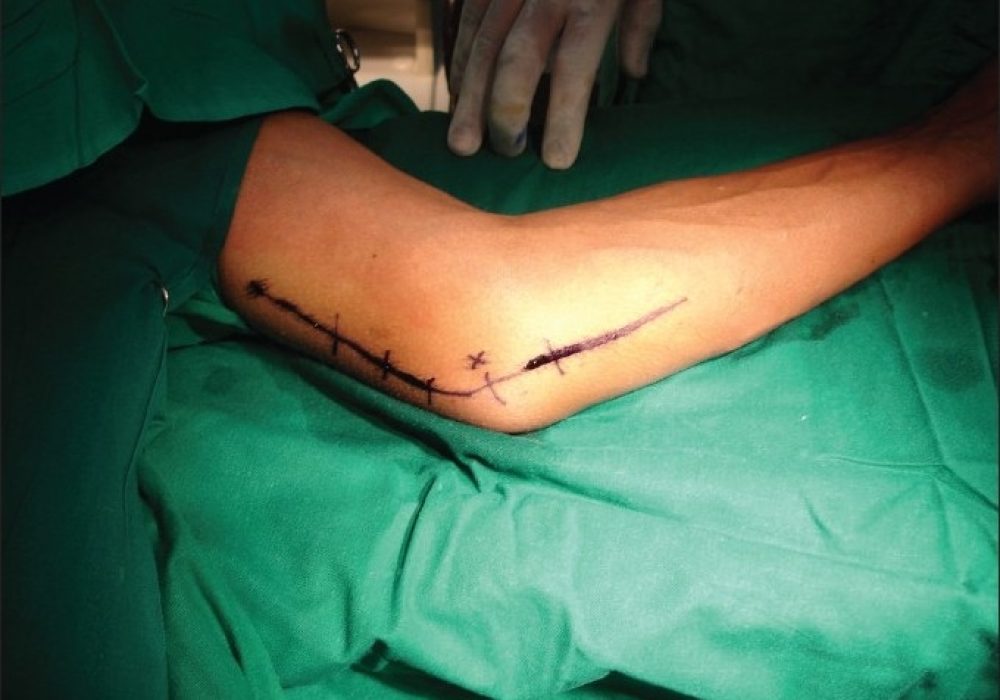
- A small incision is made over the cubital tunnel.
- The nerve is carefully exposed and decompressed or transposed.
- Any compressive structures such as fibrous bands or muscle are released.
- The wound is closed with sutures and dressed.
Duration
- Surgery typically lasts 30 to 60 minutes.
Postoperative Care
- The arm may be placed in a splint or sling for comfort.
- Elevation and ice to reduce swelling.
- Pain management with medications.
- Wound care instructions to prevent infection.
Rehabilitation and Recovery
- Early gentle range-of-motion exercises to prevent stiffness.
- Gradual return to normal activities over weeks.
- Physical therapy may be recommended to improve strength and nerve mobility.
- Full recovery can take several months depending on severity.
Risks and Complications
- Infection
- Nerve injury or persistent symptoms
- Scar tenderness or sensitivity
- Elbow stiffness
- Recurrence of nerve compression
When to See a Doctor
Seek medical attention if you experience:
- Increasing pain or numbness after surgery
- Signs of infection such as redness, swelling, or fever
- Severe weakness or loss of function
Conclusion
Cubital tunnel release surgery is an effective treatment for relieving ulnar nerve compression at the elbow when conservative measures fail. With proper surgical technique and rehabilitation, most patients experience significant symptom relief and improved hand function. If you have symptoms of cubital tunnel syndrome, consult an orthopedic or hand specialist to discuss the best treatment options for your condition.